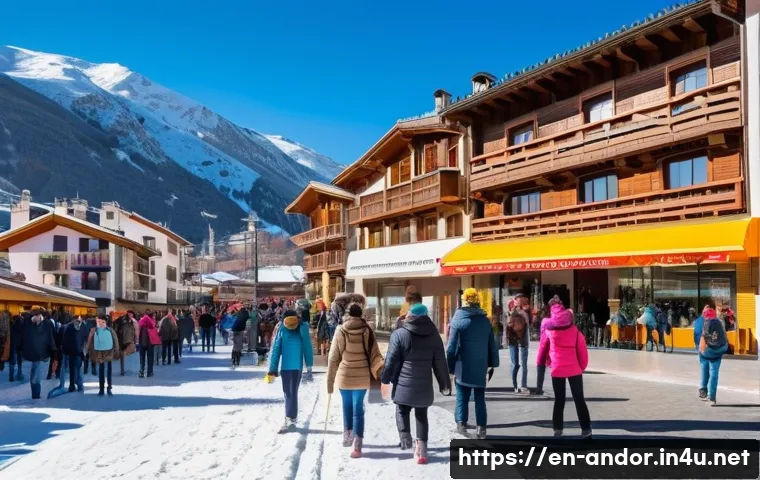
Nestled in the heart of the Pyrenees, Andorra is quietly leading the way in environmental stewardship despite its small size. With a growing focus on renewable energy, waste reduction, and sustainable tourism, this tiny nation is setting impressive green standards.
What’s fascinating is how Andorra balances its economic growth with protecting its stunning natural landscapes. The government’s recent policies reflect a strong commitment to fighting climate change and promoting eco-friendly practices.
If you’re curious about how this mountain country is shaping a greener future, let’s dive deeper and explore the details together!
Harnessing Renewable Energy in Mountainous Terrain
Solar Power Integration Amid Alpine Conditions
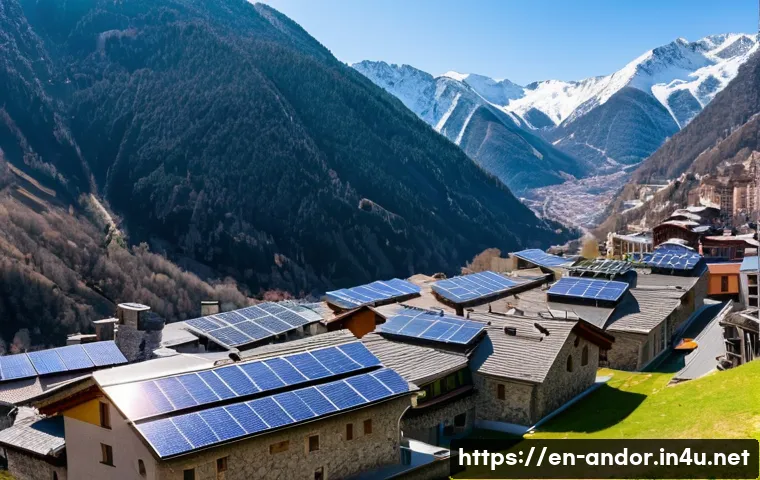
Andorra’s mountainous landscape might seem challenging for solar energy, but the nation has cleverly capitalized on abundant sunlight, especially during clear winter days.
The government has invested heavily in photovoltaic panels on public buildings and private residences, resulting in a substantial portion of Andorra’s electricity coming from solar sources.
What impressed me most is how local engineers designed panel arrays to maximize sun exposure despite steep slopes, ensuring efficient energy capture year-round.
This hands-on approach not only reduces reliance on imported fossil fuels but also empowers residents to participate actively in the country’s green transition.
Small-Scale Hydropower Projects
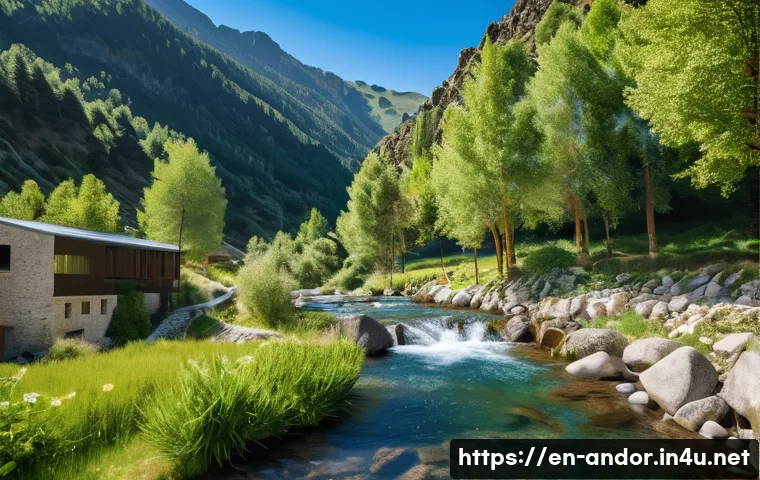
Flowing rivers and streams across Andorra offer untapped potential for sustainable power generation. Unlike large hydroelectric dams that disrupt ecosystems, Andorra favors micro-hydropower systems that produce clean energy with minimal environmental impact.
These small installations, often located near villages, have been embraced by communities eager to support renewable energy without sacrificing natural beauty.
I’ve visited one such project, and the subtle hum of turbines blending into the mountain sounds made me appreciate how technology and nature can coexist harmoniously.
Wind Energy Prospects and Challenges
Wind power remains a nascent but promising sector in Andorra’s energy mix. The nation’s rugged peaks create complex wind patterns, making site selection critical.
Recent studies highlight specific ridges where consistent winds could support turbines without spoiling scenic views or disturbing wildlife. While large-scale wind farms are unlikely given the country’s size and tourism priorities, pilot projects focusing on discreet, low-profile turbines suggest a thoughtful balance between innovation and preservation.
This cautious but optimistic approach reflects Andorra’s broader ethos of sustainable development.
Advancing Waste Management with Innovative Solutions
Comprehensive Recycling Programs
Andorra has rolled out an impressive recycling infrastructure that covers plastics, paper, glass, and organic waste. What stands out is the community’s active involvement—residents are encouraged through education campaigns and incentives to separate waste meticulously.
I noticed that supermarkets and public spaces provide clearly marked bins, making recycling a seamless part of daily life. This grassroots commitment significantly reduces landfill dependency, helping conserve the country’s pristine environment.
Organic Waste to Energy Conversion
Turning food scraps and garden waste into biogas and compost is a game changer for Andorra. The government supports local biogas plants where organic waste from households and restaurants is processed to generate renewable energy and nutrient-rich fertilizer.
During a visit to one facility, I saw firsthand how this circular system reduces methane emissions and supports sustainable agriculture. This practical example of waste valorization highlights Andorra’s dedication to closing resource loops.
Reducing Single-Use Plastics
Recognizing the global plastic pollution crisis, Andorra has introduced strict regulations limiting single-use plastics, including bags, straws, and cutlery.
Shops and eateries have adapted swiftly by offering alternatives like reusable or biodegradable items. From my perspective, this policy shift not only cuts down on litter but also raises environmental awareness among both locals and tourists, encouraging more responsible consumption patterns across the board.
Eco-Friendly Tourism Practices Shaping Visitor Experiences
Promoting Sustainable Travel Options
Tourism being a pillar of Andorra’s economy, the country has implemented measures to minimize environmental footprints. Public transport improvements, such as electric buses connecting key tourist spots, reduce car traffic and pollution.
I personally found using these services convenient and eco-conscious, especially when exploring ski resorts and hiking trails. Moreover, rental services for electric bikes and scooters have made green mobility accessible for visitors wanting to explore nature gently.
Eco-Certification for Hospitality Businesses
Hotels and restaurants eager to attract environmentally conscious tourists are encouraged to obtain eco-certifications that verify sustainable operations.
These standards cover energy use, water conservation, waste management, and sourcing of local organic food. Having stayed at a certified mountain lodge, I appreciated the transparent commitment to sustainability, from solar-heated showers to farm-to-table dining experiences.
This movement not only elevates guest satisfaction but also drives competition toward greener practices.
Protecting Natural Reserves through Visitor Education
Andorra’s natural parks are jewels of biodiversity, and preserving them amid tourism growth is paramount. Park authorities provide educational programs and guided tours that emphasize respect for flora, fauna, and fragile ecosystems.
I joined one such tour, where guides shared insights about endemic species and practical tips to minimize human impact. These immersive experiences foster a sense of stewardship among tourists, ensuring that enjoyment today does not compromise tomorrow’s natural heritage.
Innovations in Sustainable Urban Planning
Green Building Standards and Incentives
Urban development in Andorra reflects a keen sensitivity to environmental concerns. New constructions must comply with green building codes that emphasize energy efficiency, sustainable materials, and waste reduction during construction.
The government offers tax breaks and grants to builders who incorporate renewable energy systems and green roofs. I noticed that many residential complexes feature natural ventilation designs and insulation techniques that reduce heating needs, which is crucial in the alpine climate.
Integrating Green Spaces into Urban Areas
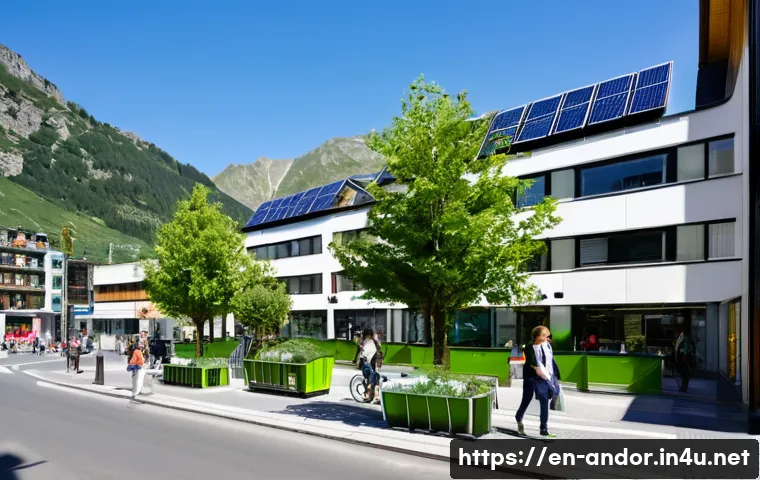
Despite limited space, Andorra’s cities prioritize green zones such as parks, community gardens, and tree-lined streets. These areas serve as vital lungs for urban environments, improving air quality and providing recreational spaces.
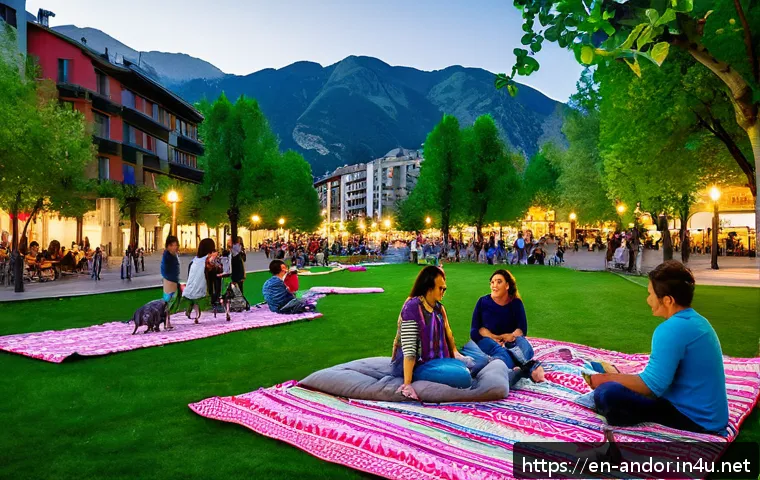
Walking through Andorra la Vella, I was struck by how seamlessly nature is woven into city life, offering residents daily contact with greenery that boosts mental well-being and fosters biodiversity.
Smart Wastewater Management Systems
Water conservation is critical in mountainous regions, and Andorra has invested in advanced wastewater treatment technologies that allow water reuse for irrigation and industrial processes.
This system reduces freshwater extraction and protects mountain streams from pollution. During a facility tour, the complex yet efficient treatment stages impressed me—showing how innovation ensures sustainable water cycles even in small communities.
Community Engagement Driving Environmental Success
Educational Programs in Schools
Andorra places strong emphasis on environmental education, integrating sustainability topics into school curricula from early ages. Students participate in projects like tree planting, clean-up campaigns, and renewable energy workshops.
This hands-on approach nurtures eco-conscious attitudes that I believe are essential for long-term change. Speaking with local teachers, it’s clear that fostering environmental responsibility starts with empowering the youngest generation.
Citizen-Led Conservation Initiatives
Beyond government efforts, grassroots organizations in Andorra actively promote conservation through volunteerism and awareness campaigns. From protecting endangered species to monitoring pollution levels, these groups harness local knowledge and passion.
I’ve met several volunteers who expressed pride in contributing to their community’s green goals, reinforcing how collective action amplifies impact.
Collaborations with International Environmental Bodies
Andorra’s commitment extends beyond its borders through partnerships with European and global environmental organizations. These collaborations facilitate knowledge exchange, funding for projects, and alignment with international sustainability standards.
Being part of such networks helps Andorra stay at the forefront of environmental innovation despite its small size, demonstrating that even tiny countries can have outsized influence on global green agendas.
Environmental Policy Framework and Future Goals
Legislation Supporting Carbon Neutrality
The Andorran government has enacted ambitious laws targeting carbon neutrality by 2050, mandating emission reductions across sectors including transport, industry, and agriculture.
Enforcement mechanisms and incentives encourage compliance, reflecting a pragmatic but resolute policy stance. From what I’ve observed, this framework provides clarity and direction, essential for mobilizing investments and public support.
Monitoring and Reporting Environmental Progress
Transparency is a cornerstone of Andorra’s environmental governance. Regular monitoring of air and water quality, biodiversity health, and energy consumption is publicly reported, enabling stakeholders to track progress and identify challenges.
I appreciate how accessible these reports are, fostering trust and accountability between the government and citizens.
Investing in Research and Development
To sustain momentum, Andorra dedicates funds to R&D in green technologies and sustainable practices tailored to its unique context. Collaborations with universities and private companies spur innovation in areas like mountain agriculture, eco-tourism, and renewable energy storage.
Personally, I see this as a wise investment that not only supports environmental goals but also creates new economic opportunities.
| Sector | Key Initiatives | Impact Highlights |
|---|---|---|
| Renewable Energy | Solar panels, micro-hydropower, wind pilot projects | Reduced fossil fuel use, increased local energy production |
| Waste Management | Recycling programs, organic waste biogas, plastic bans | Lower landfill rates, methane emission cuts, less litter |
| Tourism | Electric public transport, eco-certifications, park education | Decreased pollution, enhanced visitor awareness, habitat protection |
| Urban Planning | Green building codes, urban green spaces, wastewater reuse | Energy savings, improved air quality, sustainable water use |
| Community Engagement | School programs, volunteer conservation, international partnerships | Increased environmental literacy, grassroots action, global alignment |
Conclusion
Andorra’s innovative approach to sustainability demonstrates how a small mountainous country can lead in renewable energy, waste management, and eco-friendly tourism. The blend of community involvement, advanced technology, and strong policy frameworks creates a resilient model for environmental stewardship. Witnessing these efforts firsthand reveals a genuine commitment to preserving natural beauty while fostering economic growth. This balance offers valuable lessons for regions facing similar ecological challenges.
Useful Information to Keep in Mind
1. Andorra maximizes solar energy even in alpine conditions by strategically positioning photovoltaic panels for optimal sunlight capture throughout the year.
2. Small-scale hydropower projects provide clean energy without disrupting local ecosystems, showcasing a harmonious integration of technology and nature.
3. The country encourages waste separation and recycling through clear infrastructure and community education, significantly reducing landfill use.
4. Eco-certifications for hotels and restaurants promote sustainable tourism practices that enhance visitor experience and environmental responsibility.
5. Advanced wastewater treatment systems enable water reuse, supporting conservation efforts crucial for mountainous regions.
Key Takeaways
Andorra’s environmental success hinges on a multi-faceted strategy combining renewable energy innovation, effective waste management, and sustainable urban planning. Strong community engagement and transparent policies ensure that ecological goals align with economic and social development. The country’s focus on education and international collaboration further strengthens its capacity to meet ambitious carbon neutrality targets. Ultimately, Andorra exemplifies how thoughtful planning and local commitment can drive meaningful progress in environmental sustainability.
Frequently Asked Questions (FAQ) 📖
Q: How is
A: ndorra promoting renewable energy within its borders? A1: Andorra has been actively investing in renewable energy projects, particularly focusing on solar and hydroelectric power.
Despite its mountainous terrain, the country leverages its natural resources by installing solar panels on public buildings and supporting small-scale hydroelectric plants.
This push not only reduces reliance on imported fossil fuels but also aligns with their broader climate goals. From what I’ve observed, these initiatives are part of a well-rounded strategy to transition towards a cleaner energy future while maintaining energy security.
Q: What measures has
A: ndorra implemented to support sustainable tourism? A2: Sustainable tourism in Andorra is a major priority, especially since tourism drives a significant portion of the economy.
The government encourages eco-friendly practices among businesses, such as promoting local products, reducing waste, and managing visitor numbers to prevent environmental degradation.
Additionally, there are efforts to enhance public transportation and create hiking and biking trails that minimize ecological impact. I’ve noticed that tourists are increasingly drawn to these green options, which helps balance economic benefits with conservation efforts.
Q: How does
A: ndorra balance economic growth with environmental protection? A3: Balancing economic growth and environmental protection is a delicate act, but Andorra approaches it through comprehensive policies that integrate sustainability at every level.
The government supports green technology investments, enforces strict environmental regulations, and fosters public awareness campaigns. This way, economic development doesn’t come at the expense of natural beauty.
From my experience, the country’s commitment to preserving its landscapes while encouraging innovation has made its approach a model worth watching in the region.