
In today’s fast-paced financial world, scandals can ripple across borders, shaking even the most stable economies. One such event that still echoes through Europe’s banking sector is Andorra’s 2011 banking scandal—a story of secrecy, power, and unexpected fallout.
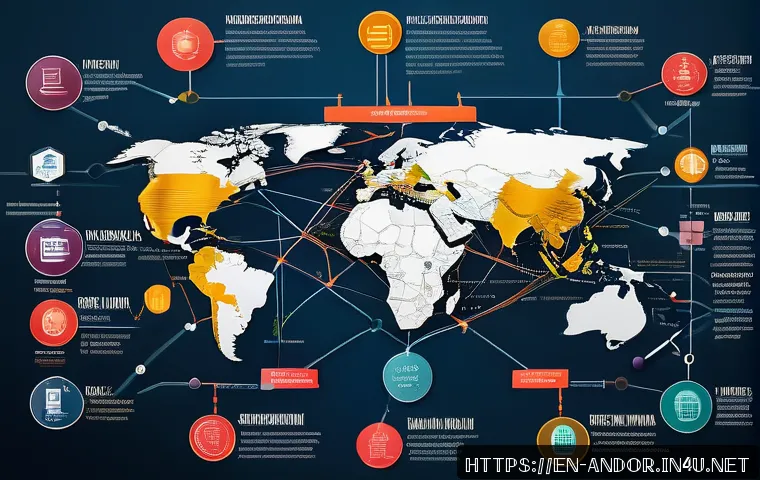
As we uncover the layers behind this crisis, you’ll see how a tiny principality became the epicenter of a major financial storm. Whether you’re a finance enthusiast or simply curious about global economic shifts, this deep dive offers fresh insights and lessons that remain relevant today.
Stay with me as we unravel the scandal that challenged Europe’s financial core and shaped regulatory conversations for years to come.
The Hidden Mechanisms Behind Offshore Banking
How Andorra Became a Haven for Secrecy
The principality of Andorra, nestled between France and Spain, long cultivated a reputation as a discreet banking hub. Unlike larger financial centers burdened by strict regulations, Andorra’s banking system thrived on confidentiality and privacy.
This allure attracted clients seeking to shield assets from taxation or legal scrutiny. But beneath this veil of secrecy, lax oversight created fertile ground for illicit activities.
The banks’ eagerness to attract deposits sometimes meant turning a blind eye to questionable sources of funds. This environment, while profitable in the short term, sowed the seeds of systemic vulnerabilities that would later surface dramatically.
The Role of Regulatory Gaps and Local Governance
Despite being part of Europe geographically, Andorra operated with a financial regulatory framework that lagged behind the continent’s evolving standards.
The principality’s small size and limited resources made it difficult to enforce stringent compliance checks or to keep pace with international anti-money laundering directives.
Local governance often prioritized economic growth over rigorous oversight, inadvertently enabling some banks to engage in risky practices. These regulatory gaps were not unique to Andorra but were particularly pronounced given the country’s reliance on banking secrecy as an economic pillar.
This disconnect between economic interests and regulatory rigor contributed significantly to the eventual scandal.
Clientele and Cross-Border Implications
Many of the banks’ clients came from neighboring countries, eager to exploit Andorra’s confidentiality. This cross-border flow of capital raised alarms in broader European financial circles, especially as some funds were linked to tax evasion and illicit activities elsewhere.
The scandal exposed how interconnected Andorra’s banking sector was with the wider European financial system, revealing cracks in the continent’s collective regulatory shield.
The fallout was not confined to Andorra but rippled across borders, prompting a reevaluation of how offshore banking jurisdictions fit into the larger European financial architecture.
Unraveling the Web of Financial Misconduct
Complex Schemes and Money Laundering Tactics
The scandal was characterized by sophisticated schemes designed to obscure the origin and destination of funds. Techniques ranged from layering transactions to using shell companies and false documentation.
These methods made it difficult for authorities to trace illicit money flows, allowing criminals to launder proceeds from fraud, corruption, and other crimes.
What’s striking is how these tactics often exploited legal loopholes and relied on complicit insiders within the banks. The complexity of these operations highlights the challenge regulators face in keeping up with ever-evolving financial crime strategies.
Internal Failures and Complicity
Beyond external clients, internal failures played a critical role. Bank employees and executives sometimes turned a blind eye or actively participated in wrongdoing.
Whether motivated by greed, pressure, or lax controls, this internal complicity undermined the integrity of the financial institutions. Whistleblowers were rare and often ignored, leaving corrupt practices to flourish unchecked.
This internal breakdown of governance compounded the problem, making the scandal not just a matter of external crime but systemic institutional failure.
Impact on Andorra’s Banking Reputation
Once the scandal surfaced, the damage to Andorra’s banking reputation was swift and severe. International partners and clients lost trust, and regulatory bodies increased scrutiny.
The principality faced pressure to reform its banking laws and improve transparency. While some banks collapsed or were forced to restructure, others struggled to regain credibility.
This crisis was a turning point, forcing a reckoning with the risks of prioritizing secrecy over sound governance and compliance.
Consequences for European Financial Regulation
Strengthening Anti-Money Laundering Measures
The scandal served as a wake-up call for European regulators, highlighting vulnerabilities in the continent’s financial defenses. In response, the European Union accelerated efforts to harmonize anti-money laundering laws and improve information sharing between member states.
These measures aimed to close loopholes that allowed illicit funds to slip through offshore jurisdictions. The Andorran case became a textbook example cited in policy debates, emphasizing the need for vigilance and cooperation to safeguard financial stability.
Pressure on Offshore Jurisdictions
Beyond Europe, the fallout increased global scrutiny on offshore banking centers. Jurisdictions known for banking secrecy faced mounting pressure to increase transparency and comply with international standards.
The scandal underscored how even small financial centers could have outsized impacts on global markets. This shift prompted many offshore hubs to revamp their regulatory frameworks and adopt more stringent compliance practices to avoid similar reputational damage.
Lessons for Financial Institutions
For banks and financial institutions worldwide, the Andorran scandal underscored the importance of robust internal controls and ethical culture. No matter the jurisdiction, prioritizing transparency, client due diligence, and compliance is essential to prevent abuse.
The scandal also highlighted the risks of complacency and the need for ongoing staff training and whistleblower protections. Institutions that learned from these mistakes have since strengthened their defenses, but the case remains a cautionary tale about the fragile balance between profit and integrity.
The Human Cost Behind the Numbers
Effects on Clients and Investors
While much of the focus is on regulatory and institutional failures, the scandal had real human consequences. Many clients found their assets frozen or lost amid investigations, causing financial hardship and uncertainty.
Investors in affected banks faced significant losses and damage to their portfolios. The crisis shattered confidence not only in institutions but also in the broader system that promised security and discretion.
These personal stories illustrate how financial scandals ripple beyond balance sheets, impacting livelihoods and trust.
Impact on Employees and Communities
Bank employees, from tellers to executives, faced job losses, legal scrutiny, and reputational harm. The scandal disrupted local economies, as banking was a major employment sector in Andorra.
Communities dependent on the financial industry felt the shockwaves, with reduced spending power and increased economic insecurity. This human dimension often gets overshadowed by regulatory debates but is crucial to understanding the full scope of such financial crises.
The Role of Media and Public Perception
Media coverage played a pivotal role in shaping public understanding and response. Investigative journalism uncovered details that official reports initially missed or downplayed, fueling public outrage and calls for reform.
The scandal became a headline story across Europe, influencing perceptions of offshore banking and financial ethics. This dynamic shows how transparency and accountability are not just regulatory concerns but also matters of public interest and democratic oversight.
Reforms and the Path to Recovery
Legislative Changes in Andorra
In the wake of the scandal, Andorra undertook significant reforms to align its financial laws with international standards. These included enhanced due diligence requirements, stricter anti-money laundering protocols, and improved cooperation with foreign regulators.
The principality also increased penalties for financial crimes and boosted oversight capabilities. While progress has been gradual, these reforms mark a clear departure from the old culture of secrecy and tolerance for risk.
Rebuilding Trust with International Partners
Reestablishing credibility required concerted diplomatic and financial efforts. Andorra engaged with European authorities and global organizations to demonstrate commitment to transparency and compliance.
These efforts helped restore some confidence, allowing banks to gradually regain international clients and partnerships. Trust, however, remains fragile, and continued vigilance is essential to prevent relapse into past mistakes.
Ongoing Challenges and Future Outlook
Despite reforms, challenges persist. Balancing economic interests with regulatory demands is an ongoing struggle, especially for a small economy reliant on finance.
The global financial landscape continues to evolve, with new risks emerging from digital currencies and complex financial instruments. Andorra’s experience offers valuable lessons for resilience and adaptability, underscoring the need for continuous improvement and proactive risk management.
Key Elements of the Scandal and Regulatory Response
| Aspect | Description | Impact |
|---|---|---|
| Banking Secrecy | Strict confidentiality laws attracted foreign clients seeking privacy. | Enabled concealment of illicit funds, raising regulatory concerns. |
| Regulatory Oversight | Lax enforcement and outdated frameworks hindered effective supervision. | Allowed risky practices to proliferate unchecked. |
| Money Laundering Techniques | Use of shell companies, layering, and false documentation. | Complicated tracing of illegal funds and delayed detection. |
| Cross-Border Capital Flows | Clients from neighboring countries funneled assets through Andorra. | Spilled over regulatory jurisdictions, impacting European markets. |
| Reforms | Introduction of stricter AML laws, transparency measures, and cooperation. | Improved compliance but ongoing vigilance needed. |
Conclusion
The Andorran banking scandal reveals the delicate balance between secrecy and regulatory responsibility. While confidentiality attracted clients, it also exposed systemic risks and vulnerabilities. The ensuing reforms highlight the importance of transparency and robust oversight in maintaining trust. This case serves as a crucial reminder that financial integrity must never be compromised for short-term gains.
Useful Information to Know
1. Offshore banking centers often attract clients seeking privacy but may face challenges in regulatory enforcement.
2. Money laundering schemes typically involve complex layering and the use of shell companies to obscure illicit funds.
3. Cross-border financial flows require coordinated international regulation to prevent exploitation of jurisdictional gaps.
4. Whistleblower protection and internal controls are essential to uncover and prevent financial misconduct.
5. Continuous adaptation to emerging financial technologies and risks is vital for regulatory frameworks.
Key Takeaways
The scandal underscored the dangers of prioritizing banking secrecy over compliance and governance. It exposed how regulatory weaknesses and internal complicity can lead to systemic failures. The response involved tightening anti-money laundering laws, improving transparency, and fostering international cooperation. Ultimately, maintaining financial sector integrity demands vigilant oversight, ethical culture, and ongoing reform efforts to protect both economies and individuals alike.
Frequently Asked Questions (FAQ) 📖
Q: What triggered the 2011
A: ndorra banking scandal? A1: The scandal was primarily triggered by investigations revealing that several banks in Andorra were involved in money laundering and facilitating tax evasion for high-profile clients.
Authorities uncovered secretive financial operations that allowed illicit funds to flow through the principality, which had long been known for its banking secrecy.
This exposure came amid growing international pressure to crack down on offshore tax havens, leading to a swift and intense regulatory crackdown.
Q: How did the scandal impact Europe’s banking and regulatory environment?
A: The Andorra scandal sent shockwaves across Europe, highlighting vulnerabilities in the banking sector related to transparency and cross-border financial crime.
It intensified efforts by European regulators to enhance cooperation and impose stricter anti-money laundering (AML) standards. Many countries reviewed their own offshore financial relationships, and the scandal became a key reference point in debates about tightening regulations on small jurisdictions that had previously operated with minimal oversight.
Q: What lessons can investors and financial institutions learn from the
A: ndorra banking scandal? A3: One key lesson is the importance of transparency and rigorous compliance in banking practices—ignoring these can lead to reputational damage and legal consequences.
For investors, it underscores the need to conduct thorough due diligence on financial institutions, especially those in smaller or less regulated markets.
For banks, the scandal reinforced the critical role of internal controls and cooperation with international regulatory bodies to prevent illicit activities and maintain trust in the financial system.