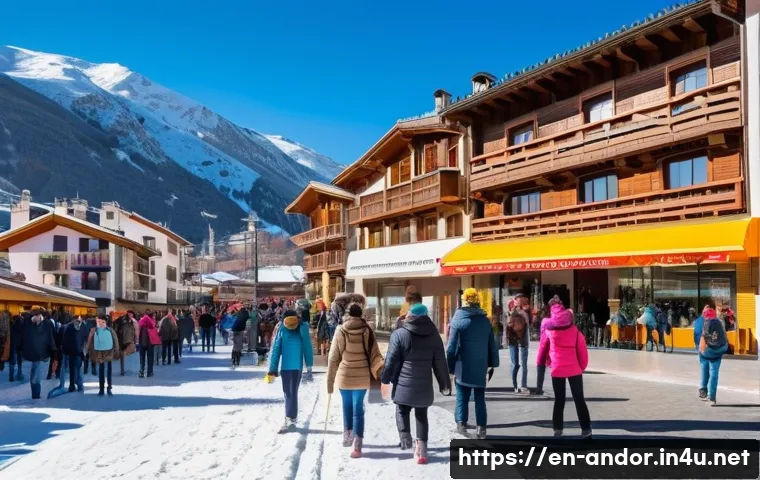
Nestled in the heart of the Pyrenees, Andorra shares a unique and intertwined history with Spain that influences its culture, economy, and politics to this day.
Despite being an independent microstate, Andorra’s proximity to Spain has fostered deep economic ties, especially through tourism and trade. The Spanish language and customs also play a significant role in Andorran daily life, blending traditions from both nations.
Understanding this relationship sheds light on how Andorra navigates its sovereignty while maintaining close cooperation with its larger neighbor. Let’s dive deeper into the fascinating connection between Andorra and Spain to uncover the details you might not know!
The Economic Dance Between Two Neighbors
Tourism as a Shared Lifeline
Tourism stands out as the most visible and impactful link binding Andorra and Spain. Every year, millions of visitors flock to the Pyrenees region, many entering Andorra through Spain.
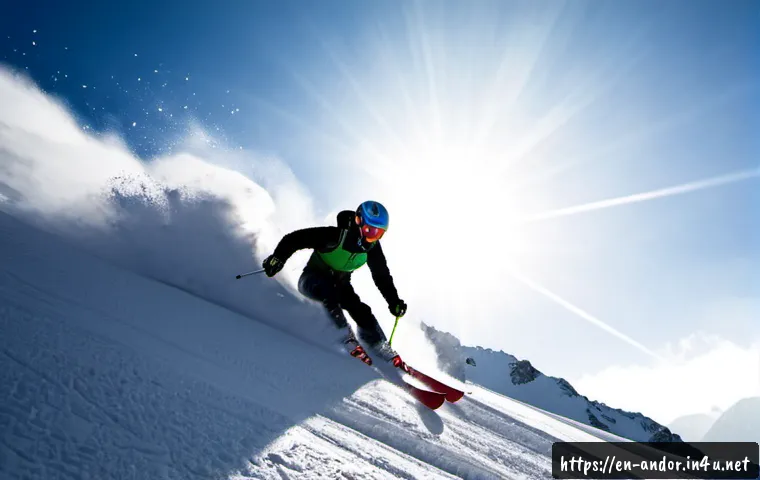
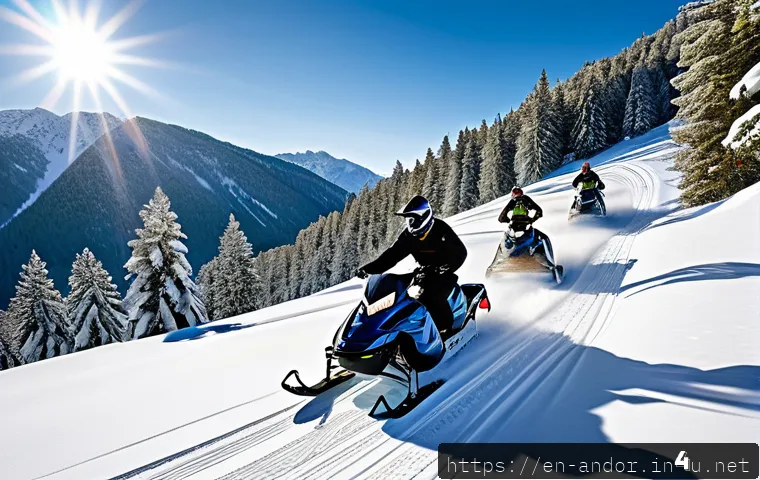
Ski resorts, hiking trails, and duty-free shopping attract tourists who often spend days crossing back and forth between the two territories. From personal experience, I noticed that many Spanish tourists visit Andorra not only for leisure but also for the unique shopping advantages, especially on luxury goods and electronics.
This reciprocal flow boosts local businesses on both sides of the border, cementing a symbiotic economic relationship that neither country can easily replace.
Trade and Commerce: More Than Just Borders
While Andorra is independent, its trade largely depends on Spain’s infrastructure and markets. Goods flow seamlessly across the border, supported by customs agreements that simplify procedures.
Spanish companies supply everything from food products to construction materials, while Andorran businesses export services and retail offerings. I found it fascinating that despite Andorra’s tiny size, its economy thrives due to this dynamic trade, with many Spanish companies operating within Andorra to leverage its favorable tax policies.
This interdependence creates a delicate balance where both economies are intertwined but still distinct.
Currency and Financial Interactions
Although Andorra is not part of the European Union, it uses the euro, which it adopted through a monetary agreement with Spain and France. This arrangement makes daily transactions smooth for locals and tourists alike.
From banking to retail, the euro’s presence simplifies financial exchanges and encourages cross-border spending. I once chatted with a local shop owner who explained how this shared currency reduces complications for Spanish customers, making Andorra an even more attractive destination for spending and investment.
The Cultural Blend Shaping Daily Life
Language: A Spanish Influence with Catalan Roots
Even though Catalan is the official language of Andorra, Spanish is widely spoken and understood. This linguistic overlap results from historical ties and ongoing interactions between the two countries.
In my visits, I noticed that many signs, menus, and conversations easily switch between Catalan and Spanish, reflecting how residents embrace bilingualism.
This fluid language use enriches social connections and business dealings, offering a warm familiarity for Spanish visitors and locals alike.
Festivals and Traditions Crossing Borders
Andorra’s festivals often echo Spanish customs while adding their own local flair. For example, celebrations like Sant Jordi (Saint George’s Day) are marked with book exchanges and rose-giving, a tradition deeply rooted in Catalonia and Spain.
I attended one such event and was struck by the joyful mix of Spanish music and Andorran culinary specialties, demonstrating how culture acts as a bridge rather than a boundary.
These shared festivities strengthen community bonds and attract tourists eager to experience authentic regional life.
Culinary Crossroads
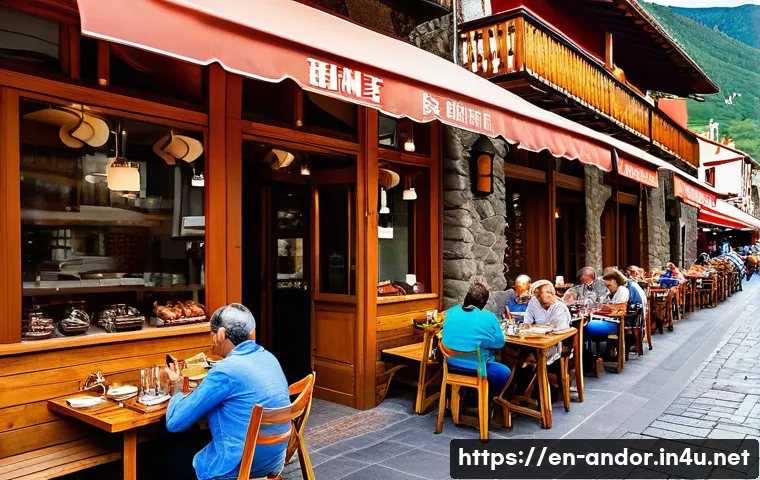
Food in Andorra is a delicious reflection of its geographic and cultural position. Spanish cuisine heavily influences local dishes, with tapas, cured meats, and hearty stews common on Andorran menus.
Yet, Andorra also incorporates French and Catalan elements, creating a unique culinary scene. While dining in a mountain-side restaurant, I savored a blend of flavors that felt familiar yet distinct, proving how the neighboring cultures enrich each other’s gastronomy.
Political and Administrative Synergies
Shared Governance Structures
Andorra’s political system is unique, featuring co-princes: the President of France and the Bishop of Urgell from Spain. This dual leadership creates an unusual but effective framework that ties Andorra politically to Spain and France simultaneously.
I found it intriguing how this arrangement preserves Andorra’s sovereignty while fostering diplomatic goodwill. It also means that Spanish influence is embedded not just culturally or economically, but formally within Andorra’s governance.
Border Management and Security Cooperation
Despite Andorra’s independence, border management is closely coordinated with Spain. Security measures, customs inspections, and immigration policies are streamlined to ensure smooth movement while maintaining safety.
On a personal trip crossing from Spain into Andorra, I observed the efficient yet relaxed border controls, reflecting a high level of trust and cooperation.
This partnership benefits both countries by facilitating tourism and trade without compromising security.
Legal and Regulatory Coordination
Andorra aligns some of its laws and regulations with Spain to simplify business operations and protect mutual interests. For example, tax policies and financial regulations often take cues from Spanish frameworks, allowing companies to operate with fewer hurdles across borders.
I spoke with a local entrepreneur who highlighted how this legal harmony makes expanding business between the two countries less complicated and more profitable.
Environmental and Geographic Interactions
Shared Mountain Ecosystems
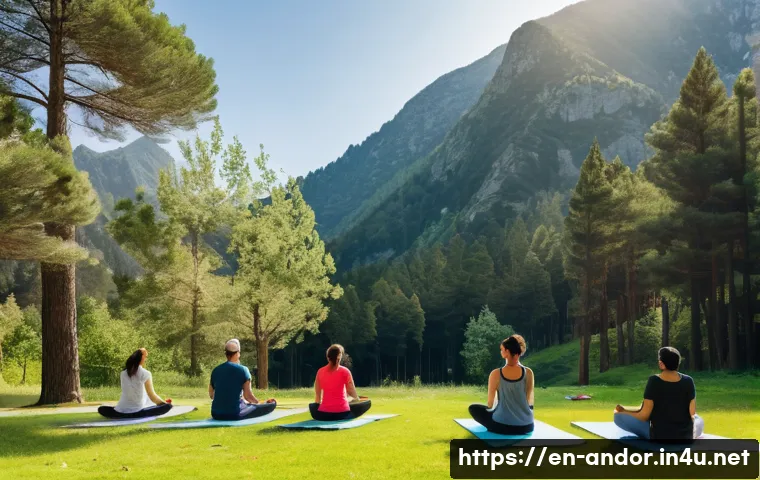
The Pyrenees mountain range forms a natural border but also a shared ecological treasure between Andorra and Spain. Both countries collaborate on preserving biodiversity, managing water resources, and promoting sustainable tourism.
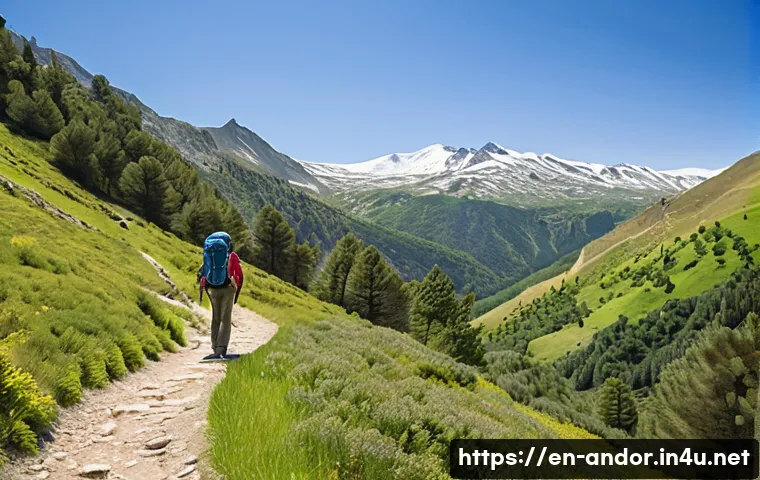
During a hiking trip, I learned about joint conservation projects aimed at protecting native flora and fauna, showing how environmental stewardship transcends political boundaries.
Climate and Natural Resource Management
Andorra and Spain face similar climate challenges, such as seasonal snowfall variability and forest fire risks. Coordinated efforts in weather monitoring and emergency response ensure that both territories can react swiftly to natural disasters.
I recall hearing about joint drills and resource sharing that enhance resilience, highlighting a practical side of their partnership rooted in geography.
Tourism Infrastructure and Accessibility
Both Andorra and Spain invest in infrastructure that connects their territories seamlessly, including roads, ski lifts, and hiking paths. This connectivity not only supports tourism but also fosters cultural exchange and economic growth.
From my experience traveling in the region, the ease of moving between the two countries makes exploring the Pyrenees a more enjoyable and integrated experience.
Social Dynamics and Population Movements
Commuting and Cross-Border Employment
A significant number of people live in Spain but work in Andorra, attracted by favorable job opportunities and wages. This daily commute creates a fluid social dynamic where identities and lifestyles overlap.
I spoke with a commuter who enjoys the quiet life in Spain but benefits economically from working in Andorra, illustrating how the border shapes modern livelihoods.
Education and Language Exchange
Educational institutions in Andorra often accommodate Spanish-speaking students, and many residents pursue studies in Spain. This exchange fosters bilingualism and cultural understanding from a young age.
During a visit to a local school, I observed how curricula include Spanish literature and history, preparing students to navigate both worlds effortlessly.
Healthcare Collaboration
Healthcare services between Andorra and Spain also show cooperation, with residents sometimes seeking specialized treatment across the border. Agreements ensure that patients can access quality care efficiently, reflecting a practical partnership that benefits public health.
A local doctor explained how this arrangement helps manage resources and improve outcomes for communities on both sides.
Trade and Tourism Overview
| Aspect | Andorra | Spain | Shared Impact |
|---|---|---|---|
| Tourist Arrivals (Annual) | ~10 million | ~83 million | Cross-border tourism boosts both economies |
| Main Economic Sectors | Tourism, Retail, Finance | Tourism, Agriculture, Industry | Complementary industries support trade |
| Currency | Euro (via agreement) | Euro | Smooth financial transactions |
| Language | Catalan (official), Spanish widely spoken | Spanish (official), regional languages | Bilingualism fosters communication |
| Border Controls | Coordinated with Spain | Managed by Spain | Efficient movement of people and goods |
| Political Ties | Co-prince from Spain (Bishop of Urgell) | Neighboring country | Unique shared governance |
Future Prospects and Challenges
Balancing Sovereignty and Integration
Andorra continually strives to maintain its independence while deepening ties with Spain. This balancing act involves negotiating economic agreements, cultural exchanges, and political cooperation that respect both nations’ interests.
From what I’ve gathered, there’s an ongoing dialogue focused on enhancing mutual benefits without compromising Andorra’s unique identity.
Adapting to Global Trends
Both countries face challenges such as digital transformation, climate change, and shifting tourism patterns. Collaborative innovation, especially in sustainable tourism and green energy, is increasingly prioritized.
Conversations with local officials revealed plans to invest in eco-friendly infrastructure that aligns with shared environmental goals.
Strengthening Community Connections
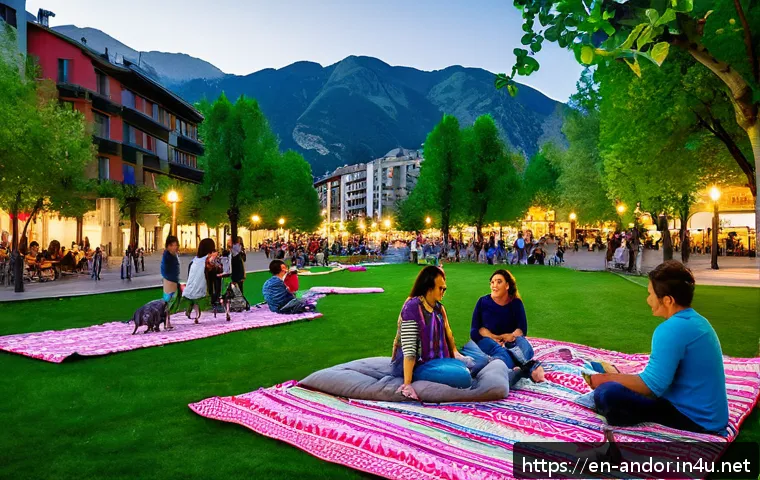
Finally, social cohesion remains key. Initiatives promoting cultural understanding, language learning, and joint events help bridge gaps and build lasting friendships across the border.
I’ve witnessed firsthand how community festivals and sports competitions bring people together, reinforcing a relationship that goes beyond politics and economics into genuine camaraderie.
Conclusion
The relationship between Andorra and Spain is a fascinating blend of cooperation and mutual benefit that spans economics, culture, and governance. Their close ties create a dynamic environment where both countries thrive while respecting their individual identities. This partnership highlights how neighboring nations can work together to build a stronger, interconnected future.
Useful Information to Know
1. Andorra uses the euro through agreements with Spain and France, simplifying transactions for visitors and locals alike.
2. Tourism is the backbone of both economies, with millions crossing the border annually to enjoy natural attractions and shopping advantages.
3. Spanish and Catalan languages coexist in Andorra, fostering bilingualism that supports cultural and business exchanges.
4. Political ties are unique, with Andorra’s co-prince system including a Spanish bishop, blending sovereignty with shared governance.
5. Environmental cooperation focuses on preserving the Pyrenees ecosystem and managing shared climate challenges effectively.
Key Takeaways
The economic and cultural connections between Andorra and Spain are deeply intertwined, creating a balanced partnership that supports tourism, trade, and community life. Their shared currency and border management ease daily interactions, while bilingualism and joint festivals enrich social bonds. Politically, Andorra maintains its independence through a distinctive co-prince system involving Spain. Environmental and infrastructural collaborations further strengthen their link, making this cross-border relationship a model of neighborly cooperation and mutual growth.
Frequently Asked Questions (FAQ) 📖
Q: How does
A: ndorra maintain its independence while having such close ties with Spain? A1: Andorra maintains its independence through a unique political system called a co-principality, where the President of France and the Bishop of Urgell (a Spanish official) serve as co-princes.
This arrangement allows Andorra to govern itself internally while benefiting from diplomatic and economic cooperation with both France and Spain. Despite its small size and close proximity, Andorra has its own government, legal system, and international agreements, which help preserve its sovereignty.
The close relationship with Spain mainly supports trade, tourism, and cultural exchange rather than political control.
Q: How does the Spanish language influence daily life in
A: ndorra? A2: Spanish is widely spoken and understood in Andorra, alongside Catalan, which is the official language. Many residents are bilingual or even trilingual, often speaking Catalan, Spanish, and French.
Spanish influences appear in media, education, and everyday communication, especially because many immigrants and workers come from Spain. This linguistic blend enriches Andorran culture, making it feel familiar to Spanish visitors while maintaining its distinct Catalan identity.
Personally, I’ve noticed that many shops and services in Andorra switch easily between Spanish and Catalan, reflecting this natural coexistence.
Q: What role does tourism from Spain play in
A: ndorra’s economy? A3: Tourism from Spain is a major pillar of Andorra’s economy. Due to its location in the Pyrenees, Andorra attracts many Spanish visitors looking for skiing, hiking, shopping, and relaxation.
Spanish tourists often come for weekend trips or holidays, boosting local businesses, hotels, and restaurants. I’ve experienced firsthand how busy Andorran ski resorts get during Spanish holidays, which significantly increases revenue for the region.
This close tourism link creates jobs and helps sustain Andorra’s economy, showing just how intertwined the two countries remain despite Andorra’s independent status.