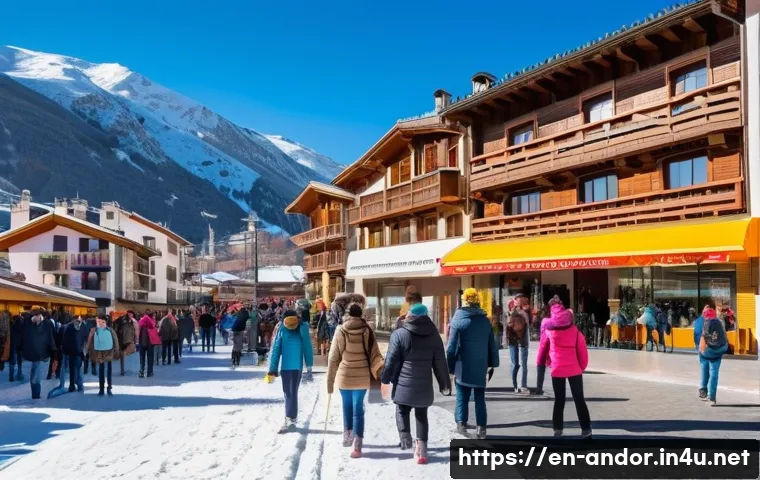
As urban life accelerates worldwide, finding pockets of tranquility becomes more essential than ever. Andorra, often celebrated for its stunning mountain landscapes, also offers a surprising urban oasis through its thoughtfully designed parks and green spaces.
These natural retreats not only enhance the city’s aesthetic but play a vital role in improving residents’ well-being and community connections. In this post, I’ll take you on a journey through Andorra’s green gems, revealing how these spaces shape daily life and why they matter now more than ever in our fast-paced world.
Whether you’re a nature lover or city explorer, this insight into Andorra’s urban greenery promises fresh perspectives and inspiration.
Urban Green Spaces as Vital Community Anchors
Creating Social Bonds Through Nature
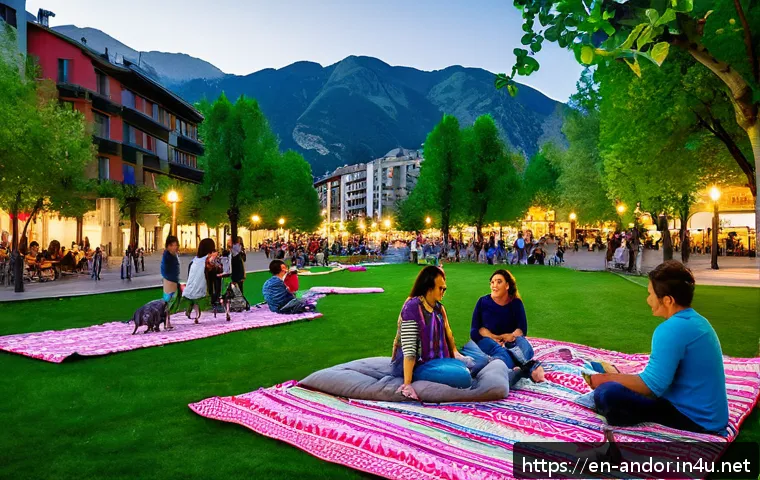
In the heart of Andorra’s urban landscape, green spaces serve as more than just aesthetic additions; they are dynamic hubs where social life flourishes.
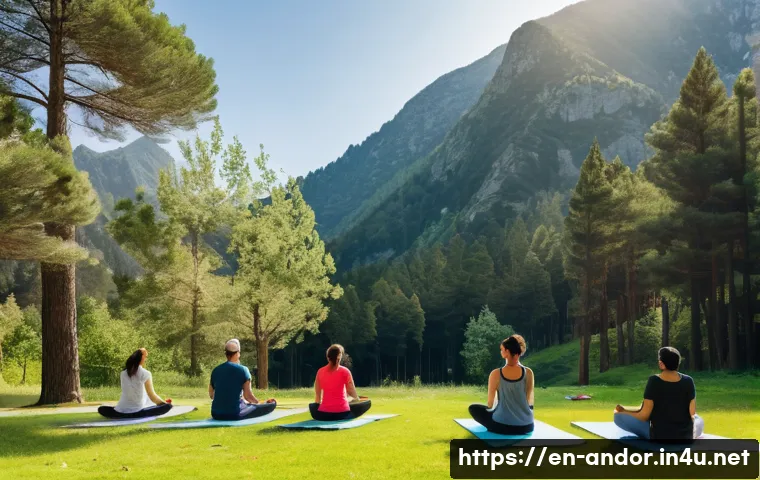
From weekend family picnics to casual meetups among friends, these parks foster spontaneous interactions that strengthen community ties. I remember visiting one of the smaller neighborhood gardens where locals gathered for a weekly outdoor yoga class.
The atmosphere was relaxed, yet vibrant—a true testament to how nature-infused environments encourage people to connect beyond digital screens. It’s clear that these green pockets act as social glue, counterbalancing the often isolating effects of city living.
Health Benefits That Go Beyond Exercise
Spending time in Andorra’s urban greenery isn’t just about physical activity; it profoundly impacts mental well-being. Research consistently highlights the stress-reducing effects of natural settings, and walking through these lush areas, I’ve personally felt a noticeable shift in mood and clarity.
The presence of trees, fresh air, and even the subtle sounds of birdsong create a sensory retreat from urban noise pollution. For residents juggling hectic schedules, such escapes are invaluable.
It’s no surprise that city planners prioritize these spaces to promote holistic health, recognizing that mental restoration is just as critical as physical fitness.
Enhancing Urban Aesthetics and Sustainability
The thoughtful integration of greenery within Andorra’s cityscape adds layers of visual and environmental value. Beyond beautifying the streets, these green spaces contribute to urban cooling and air purification—key factors in adapting to climate change.
I noticed how strategically placed trees provide shade during summer, making sidewalks more pedestrian-friendly, while seasonal flower beds bring bursts of color that lift the city’s mood.
The design isn’t random; it’s a deliberate effort to weave nature into everyday urban life, creating a sustainable balance between development and ecological preservation.
Design Innovations That Maximize Usability
Multi-Functional Layouts for Diverse Needs
Andorra’s parks showcase a clever use of space by catering to a variety of activities without sacrificing tranquility. You’ll find areas designated for children’s play, quiet reading nooks, and open lawns ideal for group sports or cultural events.
When I explored one of the central parks, I was impressed by how smoothly these zones coexist—parents could watch their kids play while enjoying a peaceful bench nearby.
This layered design approach ensures that the green spaces remain relevant and welcoming to all demographics, reflecting an inclusive urban planning philosophy.
Accessibility and Connectivity Within the City
A standout feature of these green areas is their accessibility. Well-marked paths connect parks to public transport hubs and residential neighborhoods, encouraging walking and cycling over car use.
On one occasion, I opted for a scenic bike ride through a green corridor linking two districts, and the seamless connection made the journey both enjoyable and practical.
This thoughtful network not only promotes eco-friendly mobility but also integrates nature into the daily commute, subtly enhancing quality of life for residents.
Technological Integration for Maintenance and Engagement
Interestingly, some urban parks in Andorra incorporate smart technologies to maintain their beauty and engage visitors. For example, sensor-based irrigation systems optimize water use by responding to weather conditions, reflecting an eco-conscious mindset.
Additionally, digital kiosks provide information about plant species and upcoming events, enriching the visitor experience. Having seen these innovations firsthand, I appreciate how technology complements nature without overwhelming it, striking a balance that supports sustainability and community involvement.
Seasonal Changes and Their Impact on Park Usage
Winter Wonders Amid Mountain Backdrops
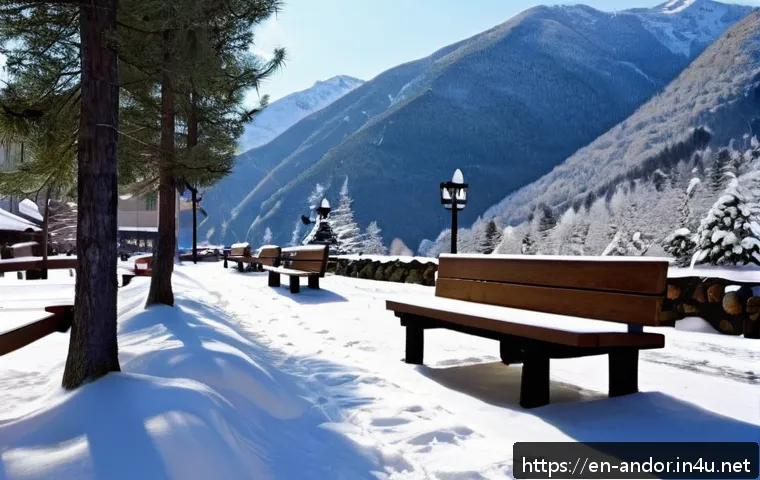
During colder months, Andorra’s parks transform into serene winter landscapes that offer unique recreational opportunities. Snow-covered paths invite cross-country skiers and snowshoers, while open spaces become perfect for building snowmen or enjoying hot beverages at nearby kiosks.
I recall a crisp morning stroll where the quiet snowfall created a magical ambiance, turning the city’s green spaces into peaceful retreats. This seasonal shift encourages residents to engage with their environment year-round, cultivating a deep appreciation for nature’s rhythms.
Spring Blossoms and Renewal
Spring breathes new life into Andorra’s urban greenery, with blossoms and fresh foliage signaling renewal. Walking through parks during this season feels invigorating; the air is filled with floral scents and the cheerful hum of pollinators.
Community gardening programs often kick off in spring, inviting locals to participate in planting and maintaining flowerbeds. This hands-on involvement strengthens the bond between people and their environment, fostering stewardship and pride in shared spaces.
Summer Vibrancy and Outdoor Living
Summer draws crowds to Andorra’s green spaces, turning parks into vibrant social arenas. Outdoor concerts, open-air markets, and fitness classes become common sights, enlivening the city’s social calendar.
I joined a weekend evening concert in a leafy park where families and friends gathered on blankets, savoring music under the stars. The extended daylight hours and pleasant temperatures make these urban oases perfect for community engagement and relaxation alike.
Balancing Urban Growth with Ecological Preservation
Challenges of Expanding Green Areas
As Andorra’s population and tourism grow, preserving and expanding urban green spaces becomes increasingly complex. Land scarcity and development pressures often compete with conservation goals.
During conversations with local planners, I learned about the careful negotiations involved in protecting natural habitats while accommodating new infrastructure.
It’s a delicate balancing act that requires foresight and community input to ensure that growth does not come at the expense of environmental quality.
Innovative Approaches to Green Space Expansion
To address these challenges, Andorra has embraced creative solutions like vertical gardens and rooftop green areas. These innovations maximize greenery in limited urban footprints and contribute to biodiversity.
For instance, I visited a municipal building featuring a lush rooftop garden that not only insulates the structure but also serves as a communal retreat.
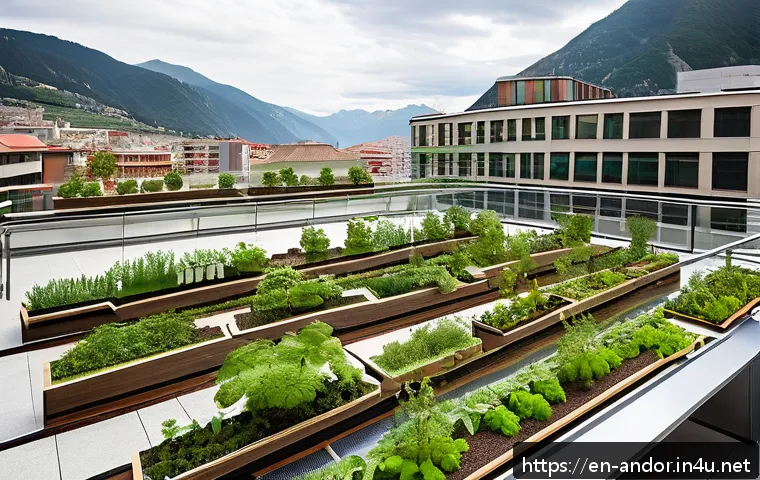
Such initiatives demonstrate how urban design can evolve to meet ecological and social needs simultaneously.
Community Engagement in Environmental Stewardship
Local residents play a pivotal role in sustaining Andorra’s green spaces through volunteer programs and educational campaigns. I participated in a neighborhood tree-planting event where enthusiasm and collective effort were palpable.
These grassroots activities empower citizens to take ownership of their environment, fostering a culture of care that complements official conservation measures.
It’s inspiring to witness how community spirit and ecological responsibility intertwine to safeguard these urban sanctuaries.
Economic and Cultural Value of Urban Nature
Boosting Local Economy Through Green Tourism
Andorra’s green spaces don’t just benefit residents; they attract visitors seeking natural beauty within an urban setting. This eco-tourism generates revenue for local businesses, from cafes near parks to outdoor equipment rentals.
On a recent trip, I noticed how a well-maintained park became a magnet for tourists exploring the city on foot, supporting small enterprises along the way.
The economic ripple effect underscores the tangible value of investing in urban nature.
Hosting Cultural Events in Natural Settings
Parks also serve as venues for cultural expression, hosting festivals, art installations, and performances that enrich city life. These events often highlight local heritage and creativity, drawing diverse audiences.
I attended an open-air theater production in a park amphitheater where the natural surroundings enhanced the experience, blending art with environment seamlessly.
Such cultural programming not only entertains but also strengthens community identity.
Table: Summary of Urban Green Space Features and Benefits
| Feature | Benefit | Example |
|---|---|---|
| Multi-Functional Layouts | Accommodates diverse activities for all age groups | Separate zones for play, sports, and relaxation |
| Accessibility and Connectivity | Encourages walking, cycling, and eco-friendly transport | Green corridors linking neighborhoods and transit |
| Technological Integration | Enhances maintenance efficiency and visitor engagement | Smart irrigation and digital information kiosks |
| Seasonal Adaptability | Supports year-round recreation and community events | Winter snow activities and summer open-air concerts |
| Community Involvement | Fosters stewardship and environmental awareness | Tree planting and gardening volunteer programs |
| Cultural Programming | Enriches social life and promotes local heritage | Outdoor theater and art festivals |
Future Directions for Urban Green Development
Integrating Climate Resilience Into Park Design
Looking ahead, Andorra is prioritizing climate resilience by selecting plant species that tolerate extreme weather and designing landscapes that manage stormwater naturally.
I spoke with a landscape architect who emphasized the importance of these strategies in safeguarding green spaces against increasingly unpredictable climates.
This proactive approach ensures that parks remain vibrant and functional for generations to come.
Expanding Educational Opportunities in Nature
There’s a growing movement to use urban green spaces as outdoor classrooms, teaching environmental science and sustainability. During a recent visit, I observed a school group engaged in hands-on learning about native flora and fauna within a city park.
Such initiatives deepen environmental literacy and inspire future caretakers of these spaces, embedding conservation values early on.
Strengthening Partnerships for Sustainable Growth
Collaboration between government, private sector, and community organizations is essential for the ongoing success of Andorra’s urban green initiatives.
Joint efforts leverage resources and expertise, making ambitious projects feasible. From my experience attending a public forum on urban planning, it’s clear that inclusive dialogue and shared goals drive meaningful progress, ensuring green spaces adapt to evolving urban needs without losing their core benefits.
Closing Thoughts
Urban green spaces are more than just patches of nature within the city—they are essential community anchors that nurture social connections, promote health, and enhance environmental quality. Experiencing these spaces firsthand reveals their vital role in balancing urban life with nature. As cities evolve, preserving and innovating these green areas will remain key to fostering resilient, vibrant communities.
Helpful Information
1. Urban green spaces support mental and physical well-being by offering tranquil environments away from city stress.
2. Thoughtful park designs accommodate diverse activities, making them inclusive for all age groups and interests.
3. Accessibility through connected pathways encourages eco-friendly transportation like walking and cycling.
4. Seasonal programming and adaptable spaces keep parks lively and engaging throughout the year.
5. Community involvement in stewardship and educational initiatives strengthens local ownership and environmental care.
Key Takeaways
Urban green spaces serve as vital hubs for social interaction, health benefits, and ecological balance. Successful development involves multi-functional designs, smart technology integration, and strong community participation. Balancing urban growth with environmental preservation requires innovative approaches and collaborative planning to ensure these natural sanctuaries continue to enrich city life sustainably.
Frequently Asked Questions (FAQ) 📖
Q: What makes
A: ndorra’s urban parks unique compared to other mountain cities? A1: Andorra’s urban parks stand out because they seamlessly blend rugged mountain scenery with carefully curated green spaces designed for relaxation and community activities.
Unlike typical city parks that are often flat and manicured, Andorra’s parks incorporate natural slopes, native plants, and panoramic views, creating a refreshing escape without leaving the city center.
From my visits, the combination of fresh alpine air and thoughtfully placed seating areas really invites visitors to slow down and soak in the tranquility, which is something I’ve rarely experienced in other urban settings.
Q: How do these green spaces impact the daily lives of
A: ndorra’s residents? A2: The parks and green areas in Andorra serve as vital hubs for social interaction, physical activity, and mental rejuvenation. Locals often gather here for morning walks, yoga sessions, or simply to meet friends, which strengthens community bonds.
Personally, I noticed how these spaces offer a much-needed break from the busy pace of city life, helping people reduce stress and improve overall well-being.
The presence of greenery also encourages outdoor lifestyles year-round, something that really stood out during my stay when even winter visits felt inviting thanks to well-maintained trails and cozy rest spots.
Q: Why is preserving and expanding urban green spaces in
A: ndorra important for the future? A3: As urban life grows faster and more crowded worldwide, green spaces like those in Andorra become essential for maintaining a high quality of life.
They act as natural air filters, help regulate temperature, and provide crucial habitats for local wildlife. From what I’ve learned and experienced, investing in these areas supports both environmental sustainability and public health.
Expanding and preserving such spaces ensures that future generations can enjoy the same peaceful retreats that today’s residents benefit from, making Andorra not just a mountain paradise but also a model for balanced urban living.