Navigating the roads of Andorra offers a unique experience, blending stunning mountain landscapes with strict traffic regulations designed to keep everyone safe.
Whether you’re a local driver or a visitor, understanding the country’s specific driving rules and how accidents are handled is crucial. From speed limits on winding roads to insurance requirements, these regulations reflect Andorra’s commitment to road safety.
I’ve noticed firsthand how being well-informed makes driving here much smoother and less stressful. Curious about what you need to know before hitting the road in Andorra?
Let’s dive into the details and get you fully prepared!
Understanding Andorra’s Road Speed and Vehicle Regulations
Speed Limits Tailored to Mountain Roads
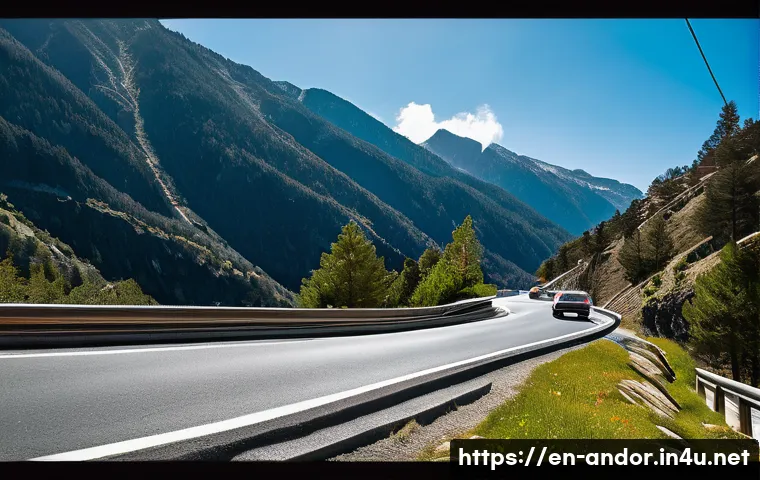
Driving through Andorra’s mountainous terrain means constantly adjusting your speed to match the winding roads. Unlike flat urban areas, the speed limits here are quite conservative, usually ranging from 40 to 90 km/h depending on the type of road.
For example, residential zones often cap at 30 km/h, while main roads allow up to 90 km/h, but rarely more. From my own drives, I’ve found that sticking strictly to these limits isn’t just about following rules—it’s a lifesaver.
The sharp bends and sudden elevation changes demand extra caution, and the local authorities are pretty strict about enforcement, often using speed cameras and patrols to keep drivers in check.
Ignoring these limits can lead to hefty fines, so it’s wise to stay alert and respect the signage.
Vehicle Requirements and Inspections
Andorra requires all vehicles to be well-maintained and compliant with local standards, including mandatory periodic inspections. This ensures that cars, especially those driven in mountainous conditions, have reliable brakes, tires, and lighting.
From what I’ve gathered, these inspections aren’t just a bureaucratic hurdle; they play a critical role in preventing accidents caused by mechanical failures.
Additionally, winter tires or snow chains are often mandatory during colder months, given the frequent snow on higher roads. For anyone renting a car or visiting with a foreign vehicle, confirming these requirements beforehand can save a lot of headaches at checkpoints.
Parking Rules and Restrictions
Parking in Andorra can be surprisingly challenging, especially in busy towns like Andorra la Vella. The authorities enforce strict parking regulations to prevent congestion and maintain pedestrian safety.
Blue zones require paid parking, and violations can result in fines or towing. I noticed that many locals use underground parking lots to avoid fines, and visitors should definitely look for designated parking areas rather than stopping by the roadside.
Parking tickets are issued promptly and often come with surveillance cameras, so it’s better to play it safe than sorry.
How Accident Procedures Work in Andorra
Immediate Steps to Take After an Accident
If you find yourself involved in a road accident in Andorra, the first priority is safety. From experience and local advice, the best approach is to move vehicles off the road if possible to avoid further collisions.
Then, both parties must exchange personal and insurance information. The police must be notified immediately if there are injuries or significant damage.
Interestingly, minor accidents without injuries often don’t require police presence, but you still need to report to your insurer promptly. Carrying a European Accident Statement form can make this process much smoother, and many rental companies provide these in the glove compartment.
Insurance Coverage and Claims Process
Andorra mandates third-party liability insurance for all vehicles, which covers damages to others in case of an accident. Comprehensive insurance is optional but highly recommended, especially for tourists unfamiliar with mountain driving.
I once had to navigate a minor claim process here, and I can vouch that having a local insurance provider familiar with Andorra’s regulations made everything easier.
The claims process typically involves submitting a detailed report, photos, and police documentation if applicable. Response times are usually quick, but patience is key, especially during peak tourist seasons.
Legal Consequences of Traffic Offenses
Traffic offenses in Andorra can lead to various penalties beyond fines. Serious violations, like reckless driving or driving under the influence, may result in license suspension or even criminal charges.
Local authorities take these offenses seriously, with regular checkpoints and breathalyzer tests during festivals and holidays. From what I observed, even small infractions like running a red light can carry significant fines and points on your license.
Visitors should be especially cautious since foreign drivers may face additional scrutiny and administrative hurdles if involved in serious violations.
Key Road Signs and Driving Etiquette You Should Know
Recognizing Andorra’s Unique Road Signs
Driving in Andorra means encountering road signs that are familiar yet adapted for the mountainous environment. Warning signs for sharp curves, falling rocks, and steep gradients are common.
I’ve found that paying close attention to these signs is essential, as they often precede challenging road sections requiring slower speeds and careful maneuvering.
Unlike some countries, Andorra uses mostly European-standard signs, but bilingual warnings in Catalan and Spanish may appear, so a basic understanding of these languages can be helpful.
The Importance of Courtesy and Defensive Driving
Andorran drivers tend to be courteous, and adopting a defensive driving style is highly recommended. This means anticipating other drivers’ actions, especially on narrow roads where passing opportunities are limited.
I recall one trip where a cautious approach helped me avoid a risky overtaking situation on a mountain pass, which could have been disastrous. Yielding to uphill traffic is a common unwritten rule here, reflecting respect and safety awareness.
Being patient and respectful on the road not only reduces stress but also builds goodwill with locals.
Night Driving and Weather Considerations
Night driving in Andorra requires extra vigilance because many roads are poorly lit, and weather conditions can change rapidly. Fog, snow, and ice are common hazards, especially in winter.
I always recommend using fog lights when visibility drops and reducing speed accordingly. High-altitude passes may close temporarily during severe weather, so checking road conditions before setting off is crucial.
Locals often share real-time updates via radio or apps, which can be invaluable for safe navigation after dark.
Parking Fees, Fines, and How to Avoid Common Mistakes
Understanding the Payment Systems for Parking
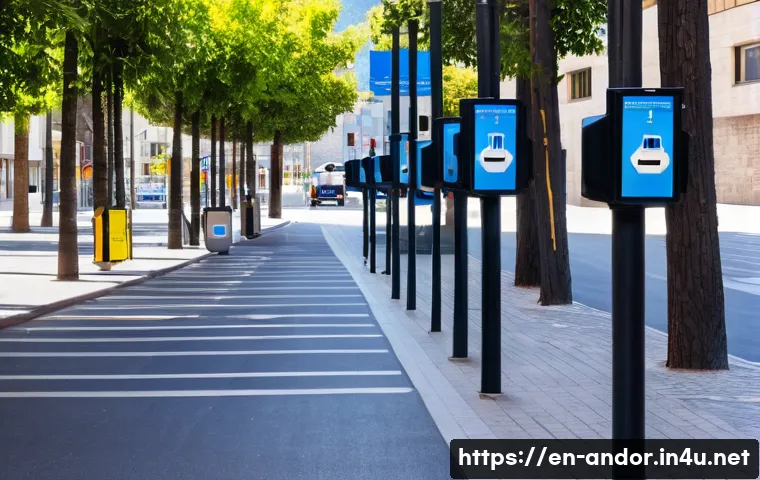
Most urban areas in Andorra use a pay-and-display system for parking, with rates varying by location and duration. From my experience, using mobile payment apps is the most convenient method, as it saves the hassle of finding change or paper tickets.
Some parking areas also accept contactless card payments. It’s important to note the operating hours for paid parking zones, which usually apply during weekdays and Saturdays but may be free on Sundays and holidays.
Ignoring these rules can lead to unexpected fines.
Common Parking Violations to Watch Out For
Common mistakes include parking in no-parking zones, blocking driveways, or overstaying the paid time limit. I’ve seen visitors receive fines simply because they misunderstood the signage or parked too close to intersections.
Double parking or parking on sidewalks is strictly forbidden and often leads to immediate towing. Paying attention to painted curbs and local signs can prevent these issues.
When in doubt, it’s safer to look for official parking lots rather than taking risks on the street.
How to Contest a Parking Fine
If you ever receive a parking ticket you believe is unjust, Andorra provides a formal appeals process. Based on my research and conversations with locals, you have a limited time frame, usually around 15 days, to submit your appeal with evidence such as photos or receipts.
The appeals are reviewed by a traffic committee, and while not all are successful, providing clear documentation improves your chances. For visitors, contacting your rental agency can also help, as they often handle fines on behalf of renters.
Essential Documentation and Licensing for Drivers in Andorra
Driver’s License Requirements
To drive legally in Andorra, you need a valid driver’s license from your home country or an International Driving Permit (IDP) if your license is not in Latin script.
I found that rental agencies typically request this documentation, so having it ready before arrival is crucial. Andorran authorities recognize licenses from most European countries and many others, but it’s always best to double-check beforehand.
Carrying your license at all times is mandatory, and failing to produce it during a traffic stop can result in fines or vehicle impoundment.
Mandatory Vehicle Documents to Carry
Besides your license, you must carry the vehicle registration, proof of insurance, and the European Accident Statement form when driving. I always keep these documents in the glove compartment, along with my passport for identification purposes.
Police inspections are random but common, especially at border crossings. Ensuring your paperwork is complete and up to date prevents unnecessary complications and speeds up any checks.
How Rental Car Policies Affect Your Driving Experience
If you’re renting a car in Andorra, be aware that rental companies have strict policies regarding insurance, driver age, and additional drivers. From personal experience, some companies require drivers to be at least 21 years old with a minimum of one year’s driving experience.
Insurance options often include full coverage for mountain driving conditions, which I highly recommend opting for. Also, keep in mind that some rental agreements restrict driving on unpaved roads or in certain weather conditions, so clarify these details to avoid surprises.
Road Safety Tips from Locals and Frequent Visitors
Staying Alert on Narrow and Steep Roads
Local drivers emphasize the importance of constant vigilance on Andorra’s narrow, steep roads. I’ve learned that keeping both hands on the wheel, avoiding distractions, and anticipating blind curves are essential habits here.
Using lower gears to control speed on descents helps prevent brake overheating, which is a common issue in mountain driving. Also, never underestimate the power of a good rest before long drives—fatigue can quickly turn a manageable road into a dangerous situation.
Adapting to Weather and Seasonal Changes
Weather can change fast in the Pyrenees, and locals advise always checking forecasts before heading out. Snow chains or winter tires are mandatory during winter months, and failing to equip your vehicle accordingly can result in fines or being stranded.
I remember one snowy morning when I was caught without chains, and the authorities simply didn’t allow me to proceed until I complied. Carrying extra warm clothing and emergency supplies is also recommended since help might take longer to arrive on remote mountain roads.
Using Technology to Enhance Safety
Modern GPS devices and smartphone apps can be lifesavers in Andorra’s complex terrain. Apps that provide real-time traffic updates, weather alerts, and road closures make planning routes much easier.
I personally rely on a combination of offline maps and local radio updates to stay informed. However, it’s important not to depend entirely on technology—always cross-check information and be ready to adapt your plans, especially during adverse conditions.
Combining tech with cautious driving creates the safest experience possible.
Summary of Key Driving Regulations and Recommendations in Andorra
| Category | Requirement/Rule | Notes |
|---|---|---|
| Speed Limits | 30 km/h in residential, 40-90 km/h on main roads | Strict enforcement with fines and cameras |
| Vehicle Inspection | Mandatory periodic checks and winter tire requirements | Ensures safety in mountainous conditions |
| Insurance | Third-party liability mandatory; comprehensive optional | Recommended for tourists |
| Accident Procedure | Exchange info, notify police if injuries | Use European Accident Statement form |
| Parking | Paid zones with time limits; fines for violations | Mobile payments accepted; avoid no-parking areas |
| Driver’s License | Valid license or IDP required | Carry at all times |
| Winter Driving | Winter tires/chains mandatory in snow | Road closures possible |
Conclusion
Driving in Andorra requires a mindful approach due to its unique mountainous terrain and strict regulations. By respecting speed limits, understanding vehicle requirements, and following local traffic rules, you ensure both your safety and a smooth travel experience. Whether you’re a visitor or a resident, staying informed and prepared is key to enjoying the scenic roads responsibly.
Useful Information to Keep in Mind
1. Always carry your valid driver’s license or International Driving Permit along with vehicle documents to avoid legal issues during inspections.
2. Winter tires or snow chains are mandatory during colder months—make sure your vehicle is properly equipped before heading into snowy areas.
3. Use mobile apps or contactless payment methods for convenient parking payments and avoid fines by adhering to time limits.
4. In case of an accident, exchange information calmly and notify authorities when necessary, using the European Accident Statement form if available.
5. Practice defensive driving and respect local customs, such as yielding to uphill traffic, to ensure a safer and more pleasant journey.
Key Takeaways
Understanding and following Andorra’s road safety rules is essential, especially given the challenging mountain roads and strict enforcement. Make sure your vehicle meets inspection standards, carry all necessary documents, and equip your car for seasonal weather conditions. Parking regulations are actively monitored, so use designated zones and payment methods to avoid fines. Lastly, driving responsibly and courteously not only protects you but also earns respect from local drivers, making your experience in Andorra both safe and enjoyable.
Frequently Asked Questions (FAQ) 📖
Q: What are the general speed limits in
A: ndorra, especially on mountain roads? A1: In Andorra, speed limits are generally set to ensure safety on its winding mountain roads. Typically, the speed limit is 50 km/h in urban areas, 90 km/h on rural roads, and up to 100 km/h on highways.
However, many mountain roads have lower limits due to sharp curves and narrow lanes, often around 30 to 40 km/h. From my experience driving there, it’s crucial to pay attention to road signs because conditions can change quickly, and sticking to these limits really helps avoid accidents.
Q: What should I do if I’m involved in a car accident while driving in
A: ndorra? A2: If you find yourself in a car accident in Andorra, the first step is to ensure everyone’s safety and move vehicles off the road if possible.
You must report the accident to local authorities, especially if there are injuries or significant damage. It’s also important to exchange insurance and contact information with the other party.
Having valid insurance is mandatory, and police reports can be essential for claims. I’ve witnessed how calmly handling the situation and cooperating with local police smooths out the process considerably.
Q: Are there any specific insurance requirements for driving in
A: ndorra? A3: Yes, all vehicles driven in Andorra must have at least third-party liability insurance, which covers damages to others in case of an accident.
If you’re a visitor driving a rental car, the rental company usually provides this insurance, but it’s wise to confirm coverage details beforehand. From my own travels, I recommend carrying proof of insurance at all times, as police may request it during routine checks.
Being prepared with the right insurance not only follows the law but also gives peace of mind when driving through the mountainous terrain.