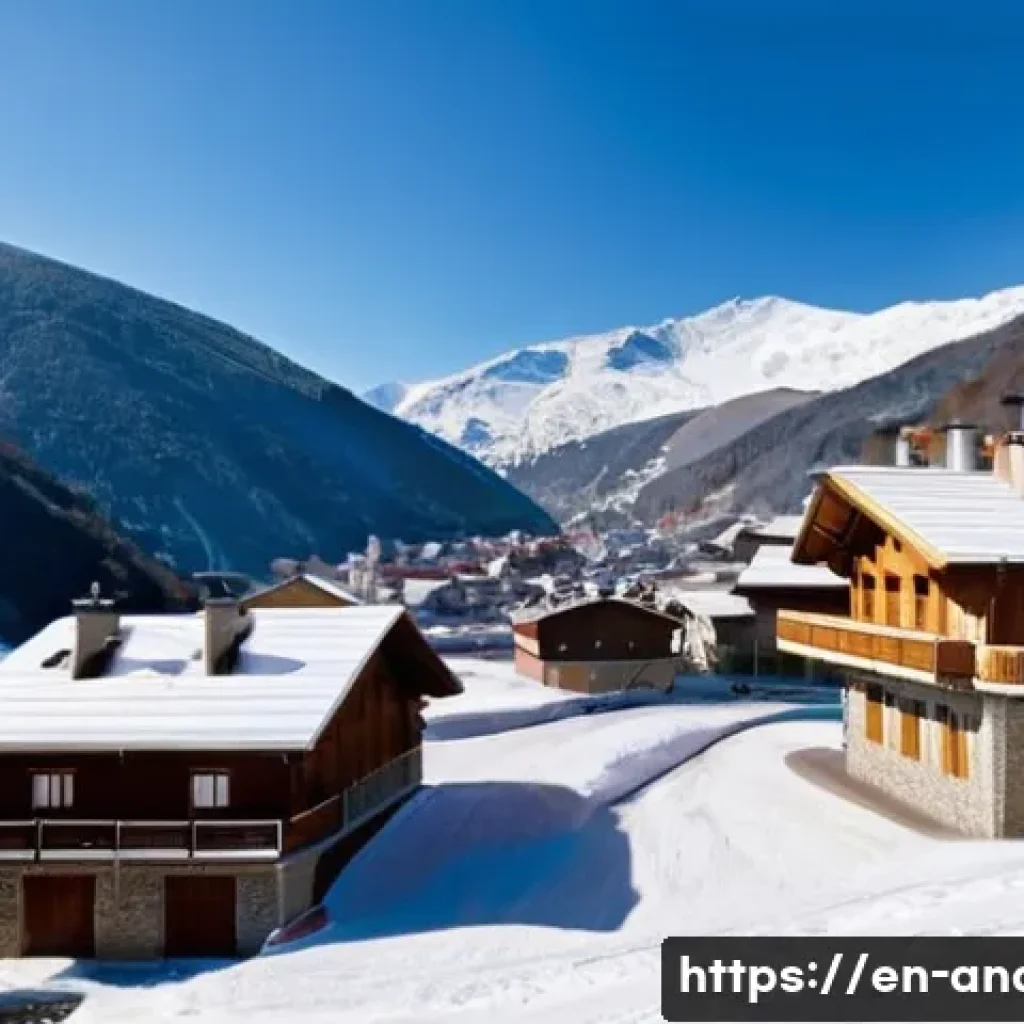
Andorra. When you hear that name, I bet your mind instantly drifts to those stunning, snow-capped Pyrenean peaks, perfect for skiing, or maybe the charm of its quaint mountain villages.
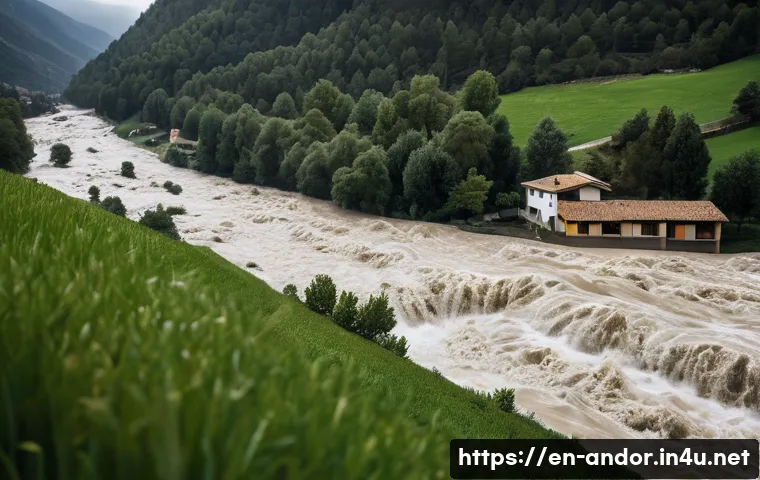
I know mine always does! It truly feels like a little slice of paradise, a place where nature’s beauty reigns supreme. But here’s something you might not often consider: even in such a picture-perfect setting, nature can unleash its wilder side.
We’re talking about everything from massive snowfalls and powerful avalanches to surprising rockfalls and flash floods that test the very spirit of this tiny nation.
It’s a fascinating and vital part of understanding Andorra beyond its tourist brochures. So, let’s explore the intriguing reality of natural events in Andorra and what it means for everyone who calls it home or dreams of visiting.
Navigating Winter’s Majestic Fury
The Silent Threat of Avalanches
Living in a mountainous region like Andorra, you quickly learn to respect the sheer power of winter. While those pristine white slopes are undeniably beautiful and a huge draw for tourists, they also harbor a formidable force: avalanches.
I’ve heard countless stories, and even seen the aftermath of smaller ones, and it’s always a stark reminder of nature’s raw strength. The authorities here, I must say, are incredibly diligent, constantly monitoring snowpacks and issuing warnings, closing roads, and even running controlled detonations to mitigate risks.
But despite all the precautions, there’s an unpredictable element to these events. It’s not just about the heavy snow; factors like temperature changes, wind direction, and even the type of snow crystal can play a role.
I often think about the residents who have lived here for generations; they possess an innate understanding and respect for these mountains that visitors like us are only just beginning to grasp.
It’s a humbling experience to witness how a place so serene can, in an instant, become so dramatically powerful.
Beyond the Snow: The Impact of Extreme Cold and Blizzards
It’s easy to focus on avalanches when we talk about winter dangers, but the entire season brings its own set of unique challenges in Andorra. I remember one particularly fierce blizzard I experienced a few years back; it truly felt like the world had turned upside down.
Roads became impassable, visibility dropped to near zero, and the biting wind cut right through layers of clothing. For someone like me who loves exploring, it was a sudden halt to all my plans, but for the locals, it’s just another part of adapting to life in the high mountains.
Homes are built to withstand heavy snow loads, and local services are incredibly efficient at clearing roads and restoring power. There’s a real sense of community that shines through during these times, too, with neighbors helping neighbors.
It’s not just about surviving, it’s about thriving amidst these natural forces, and I’ve always found that spirit truly inspiring. The chill factor can be significant, making even short outdoor excursions risky if you’re not properly prepared with the right gear.
The Shifting Earth: Rockfalls and Landslides
Understanding the Mountain’s Dynamic Face
The Pyrenees, for all their stoic beauty, are not entirely static. The very forces that sculpted these magnificent peaks continue to shape them, sometimes dramatically.
Rockfalls and landslides, while less frequent than snow-related events, are a persistent concern, especially after periods of heavy rain or rapid thaws.
I’ve personally seen the signs of past rockfalls along some of the more remote mountain roads – the protective barriers, the freshly cleared debris. It really makes you appreciate the constant effort that goes into maintaining infrastructure in such a rugged environment.
These events can be triggered by a variety of factors: seismic activity (though rare here), the erosion caused by water seeping into cracks, or even just the freeze-thaw cycles that slowly break down rock over time.
It’s a fascinating display of geology in action, albeit one with significant implications for safety and transportation.
Living with Ground Instability
For the communities nestled in the valleys and perched on the hillsides, living with the potential for ground instability is simply a part of life. Local engineering and urban planning take these risks seriously, designing buildings and infrastructure to be as resilient as possible.
I’ve often chatted with locals about how they perceive these risks, and there’s a practical, no-nonsense attitude. They know their land, they understand the warning signs, and they respect the advice of experts.
When you’re out hiking on some of the lesser-traveled trails, it’s always wise to pay attention to your surroundings – loose scree, recent erosion, or changes in vegetation can all be indicators.
It’s a testament to the Andorran spirit that they manage to build such vibrant communities in the face of these ever-present geological dynamics. This constant interplay between human endeavor and natural forces is something that always captures my imagination here.
When the Waters Rise: Flash Floods and Heavy Rains
The Fury of Mountain Rivers
Andorra’s landscape, crisscrossed by rivers and streams that feed into the Valira, is absolutely breathtaking, but these waterways can also be surprisingly temperamental.
After intense downpours, especially during the spring thaw or summer thunderstorms, these tranquil rivers can transform into raging torrents. I’ve witnessed firsthand how quickly a small stream can swell, overflowing its banks and carving new paths.
It’s a powerful reminder that even in a land primarily known for snow, water can be a formidable force. Flash floods, though localized, can cause significant disruption, impacting roads, bridges, and even some lower-lying areas of villages.
The steep terrain means that water rushes down incredibly fast, leaving little time for preparation, which is why early warning systems and efficient emergency responses are so crucial here.
Protecting Communities from Water Damage
The Andorran authorities and communities have invested heavily in flood prevention and management strategies. You’ll see evidence of this along riverbanks: reinforced walls, carefully maintained drainage systems, and regular clearing of debris to ensure water flows freely.
I’ve always been impressed by their proactive approach. It’s not just about reacting to events but anticipating them. This preparedness is essential, not only for the safety of residents but also for maintaining the vital tourism infrastructure.
Imagine a beautiful summer day turning into a deluge – it’s something you definitely want to be prepared for when planning your adventures here. It’s a delicate balance, appreciating the beauty of these dynamic waterways while also respecting their potential to cause harm.
Andorra’s Resilience: Building a Safer Future
Technological Advances in Monitoring
It’s truly fascinating to see how Andorra, despite its small size, leverages technology to enhance its resilience against natural hazards. They’ve implemented sophisticated monitoring systems for everything from snowpack depth and temperature to river levels and ground movement.
I’ve always been a bit of a tech enthusiast, so learning about these intricate networks of sensors and weather stations spread across the rugged terrain is truly captivating.
This real-time data is absolutely critical for issuing timely warnings and making informed decisions during emergencies. It allows local authorities to predict potential issues with greater accuracy, giving residents and visitors precious time to react.
This blend of cutting-edge technology and deep local knowledge is what makes Andorra’s approach so effective, in my opinion.
Community Engagement and Preparedness
Beyond the tech, what truly stands out to me is the strong sense of community and the emphasis on preparedness. Emergency drills are common, and there’s a widespread understanding among the population about what to do in various scenarios.
When I’ve spoken with locals, there’s a real sense of shared responsibility. They understand that living in such a beautiful, yet challenging, environment requires collective effort.
Local councils frequently disseminate information, and there are accessible resources for both residents and tourists detailing safety protocols. It’s not just about the government’s efforts; it’s about everyone playing their part.
This collective spirit, I think, is a powerful tool in itself, fostering a culture of safety and mutual support that strengthens the nation as a whole.
Ensuring Visitor Safety Amidst Nature’s Grandeur
Essential Tips for Exploring Andorra Safely
For those of us drawn to Andorra’s stunning landscapes for skiing, hiking, or simply soaking in the mountain air, understanding how to stay safe is paramount.
I always tell my friends planning a trip here that preparation is key. This means checking the weather forecasts religiously – not just for the valley, but for higher altitudes too.
Packing appropriate gear for rapidly changing conditions, even in summer, is a must. I’ve personally been caught off guard by sudden temperature drops or unexpected rain showers.
It’s also crucial to stick to marked trails and respect any local warnings or closures. If an avalanche risk is high, or a trail is closed due to rockfall, those signs are there for a reason!
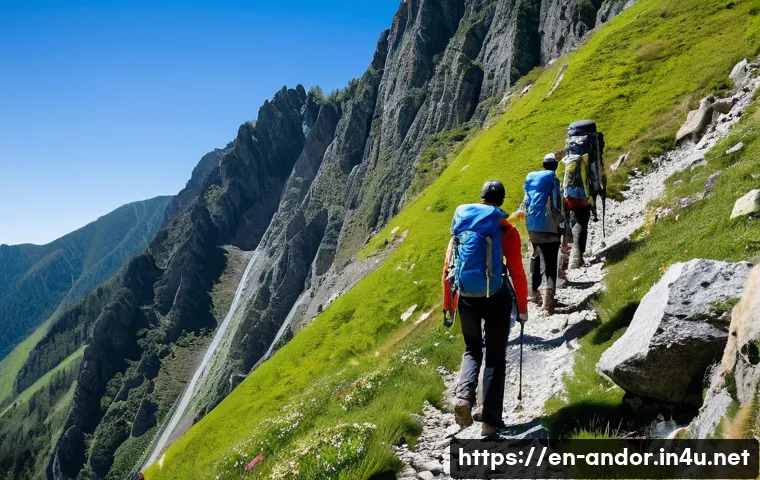
It’s all about striking that perfect balance between adventure and common sense. A little bit of planning goes a very long way in ensuring your Andorran experience is memorable for all the right reasons.
Understanding Local Emergency Procedures
Knowing what to do in an emergency can make all the difference. While we all hope we never need it, it’s reassuring to know Andorra has a robust emergency response system.
The universal emergency number, 112, is your go-to for any critical situation. I always make sure to have local emergency contacts saved on my phone, especially if I’m venturing into more remote areas.
It’s also incredibly helpful to familiarize yourself with the local warning signals, like sirens, which are used to alert the population to various types of dangers.
Hotels and local tourist information centers are fantastic resources for this kind of information, and I always recommend stopping by to grab a local map and ask about current conditions.
Being informed empowers you to make smart decisions and truly enjoy the unparalleled beauty of Andorra with peace of mind.
Adapting to Climate Shifts in the Pyrenees
Observing Long-Term Environmental Changes
It’s impossible to talk about natural events without also touching on the broader context of climate change, even here in Andorra. I’ve noticed, and many locals confirm, subtle but undeniable shifts over the years – perhaps less predictable snow seasons, or more intense summer thunderstorms than in the past.
These changes aren’t just statistics on a graph; they have real-world implications for everything from water management to the stability of the mountain slopes.
The timing of the spring thaw, for instance, can affect the risk of both floods and rockfalls. It’s a complex interplay, and observing these long-term trends is crucial for Andorra’s future planning and resilience strategies.
It makes you think deeply about our impact on the planet, even in seemingly untouched paradises.
Andorra’s Proactive Environmental Stance
What I truly admire about Andorra is its commitment to addressing these environmental challenges head-on. The government and various local organizations are incredibly proactive in promoting sustainable practices, investing in renewable energy, and participating in international efforts to combat climate change.
I’ve often seen initiatives aimed at preserving the natural environment, whether it’s through careful waste management or promoting eco-friendly tourism.
It’s clear that there’s a deep cultural appreciation for their natural heritage, and a strong desire to protect it for future generations. This forward-thinking approach is not just commendable; it’s essential for a country so intimately connected to its natural surroundings.
It gives me hope to see such dedicated efforts being made in such a beautiful corner of the world.
| Natural Event Type | Common Season(s) | Typical Impact | Safety Precaution(s) |
|---|---|---|---|
| Heavy Snowfall | Winter (December – March) | Road closures, transport delays, isolation of remote areas | Check road conditions, use appropriate tires/chains, prepare for delays |
| Avalanches | Winter (January – April) | Trail/slope closures, danger to off-piste skiers, localized damage | Adhere to warnings, stick to marked pistes, never go off-piste alone |
| Rockfalls / Landslides | Spring (after thaw), Autumn (heavy rain) | Road blockages, trail closures, localized damage to infrastructure | Observe warning signs, avoid unstable slopes, report unusual activity |
| Flash Floods | Spring (snowmelt), Summer (thunderstorms) | River swelling, road inundation, damage to lower-lying areas | Monitor weather, avoid riverside areas during heavy rain, follow evacuation orders |
Living Harmoniously with Nature’s Extremes
The Everyday Adaptations of Andorran Life
It’s truly incredible to see how the people of Andorra have woven these natural events into the fabric of their daily lives. It’s not just about crisis management; it’s about subtle, everyday adaptations.
Homes are built with robust construction to withstand heavy snow and strong winds, and many buildings incorporate traditional architectural elements that have proven resilient over centuries.
I’ve often admired how carefully roads are designed to cope with steep gradients and potential water runoff, often with integrated drainage systems. It’s a testament to human ingenuity and a deep understanding of their environment.
This isn’t a place where people fight against nature; it’s where they’ve learned to dance with it, to respect its power and adapt their lives accordingly.
It’s a philosophy that I find deeply compelling and one that offers valuable lessons for all of us.
Finding Beauty and Challenge in Every Season
Ultimately, the natural events in Andorra, from the dramatic blizzards to the occasional rockfalls, are an intrinsic part of its character. They add a layer of wild beauty and unpredictable charm to a place already brimming with wonder.
For me, it’s these very challenges that make Andorra so fascinating. It reminds me that even in the most picturesque settings, nature remains sovereign.
And frankly, confronting these elements, whether through careful preparation or simply witnessing their power, makes you feel more alive and connected to the world around you.
It’s not just a tourist destination; it’s a living, breathing landscape that constantly reminds you of the immense power and breathtaking beauty of our natural world, urging us to respect and appreciate it in equal measure.
Wrapping Things Up
Well, what an adventure it’s been delving into the often-unseen side of Andorra! It’s truly a place that captures your heart with its incredible beauty, but it also demands a healthy respect for the powerful forces of nature that shape its landscape and its people. For me, personally, understanding these dynamics only deepens my appreciation for this tiny, resilient nation. It’s a testament to the Andorran spirit that they not only survive but thrive amidst these challenges, continuously adapting and innovating. Visiting here isn’t just about the breathtaking views; it’s about experiencing a living, breathing testament to humanity’s harmonious relationship with a magnificent, albeit sometimes wild, natural world. And honestly, that’s a story worth telling and experiencing firsthand!
Useful Information for Your Andorran Adventure
1. Always check the local weather and avalanche forecasts before heading out, especially if you’re planning any mountain activities. Conditions can change rapidly, and being prepared is your best defense against unexpected turns.
2. Familiarize yourself with local emergency numbers, particularly 112, which is the universal emergency contact in Andorra. Having it saved in your phone could be crucial, especially if you’re exploring remote areas.
3. Pack layers! Even in summer, mountain temperatures can drop significantly, and unexpected rain or snow isn’t out of the question. Waterproof and windproof outer layers are always a smart choice.
4. Respect all warning signs and closures on trails, roads, and ski slopes. These are put in place for your safety due to real potential hazards like rockfalls or avalanche risks. Never bypass them.
5. Engage with locals and tourist information centers. They are invaluable sources of up-to-date information on current conditions, safe routes, and any specific precautions you should be aware of during your visit.
Key Takeaways for a Safe and Memorable Trip
Andorra’s unparalleled beauty comes hand-in-hand with its dynamic natural environment. The key to a truly unforgettable and safe experience lies in preparedness, respect for nature, and an understanding of the local landscape. Embrace the adventure, but always prioritize safety by staying informed, packing wisely, and heeding local advice. By doing so, you’ll not only protect yourself but also gain a deeper appreciation for this incredible corner of the Pyrenees, truly living like a local and experiencing the resilience and charm that makes Andorra so special.
Frequently Asked Questions (FAQ) 📖
Q: s) about natural events in
A: ndorra, written in a friendly, informative style, as if created by an English-speaking travel blogger:
Q: What kind of natural events does
A: ndorra experience? A1: Well, you might think of Andorra as a winter wonderland, and you’d be right! Heavy snowfalls are super common, which, while amazing for skiing, can also lead to avalanches – something the Andorran authorities take very seriously.
But it’s not just snow! Being a mountainous region, Andorra also sees its share of rockfalls, especially after periods of heavy rain or freeze-thaw cycles.
And, like many places, sudden, intense rainfall can sometimes cause flash floods in the valleys. It’s all part of living in such a dramatic landscape!
Q: How does
A: ndorra prepare for and manage these natural events? A2: The Andorran government and local communities are pretty proactive. They have well-established monitoring systems for snow conditions and avalanche risks, and they regularly issue warnings to the public.
You’ll see signs indicating avalanche zones and advice on safe routes. They also invest in infrastructure to mitigate risks, like avalanche barriers and flood defenses.
I’ve noticed that public awareness campaigns are quite common, educating people on how to stay safe during these events. It’s reassuring to see how seriously they take it.
Q: As a tourist, what should I be aware of regarding natural events in
A: ndorra? A3: First and foremost, always heed local warnings and advice. If there’s an avalanche warning, don’t even think about venturing off-piste.
Check the weather forecast before heading out, and be prepared for sudden changes, especially in the mountains. During the warmer months, be mindful of potential rockfalls when hiking along steep slopes.
And if you’re driving, be aware that heavy rain can sometimes cause road closures due to flooding or landslides. Basically, common sense and a little preparation go a long way in ensuring a safe and enjoyable trip!