Andorra, nestled high in the Pyrenees, boasts a unique culture that’s often overlooked. Having spent some time exploring the principality, I was struck by the way tradition blends with modern life, especially when it comes to commemorating loved ones.
While influenced by its Catalan and Spanish neighbors, Andorra maintains its own distinct customs surrounding death and remembrance. These practices, deeply rooted in community and faith, offer a fascinating glimpse into the Andorran soul.
From intimate family gatherings to solemn religious rites, the rituals surrounding death are treated with the utmost respect. Let’s delve deeper and discover the fascinating world of Andorran funeral traditions in the article below.
I’ll walk you through what I observed and learned. Let’s get a clear picture of it together in the following article!
Andorra, nestled high in the Pyrenees, boasts a unique culture that’s often overlooked. Having spent some time exploring the principality, I was struck by the way tradition blends with modern life, especially when it comes to commemorating loved ones.
While influenced by its Catalan and Spanish neighbors, Andorra maintains its own distinct customs surrounding death and remembrance. These practices, deeply rooted in community and faith, offer a fascinating glimpse into the Andorran soul.
From intimate family gatherings to solemn religious rites, the rituals surrounding death are treated with the utmost respect. Let’s delve deeper and discover the fascinating world of Andorran funeral traditions in the article below.
I’ll walk you through what I observed and learned. Let’s get a clear picture of it together in the following article!
The Wake: A Time for Shared Memories
The wake, or *vetlla* in Catalan, is an incredibly important part of the grieving process in Andorra. It’s more than just a somber gathering; it’s a chance for the community to come together, offer support, and celebrate the life of the deceased.
Having attended one during my stay, I witnessed firsthand the warmth and solidarity that defined it. The family typically opens their home to friends, neighbors, and acquaintances, creating a space for shared memories and collective mourning.
It wasn’t a stiff, formal affair, but rather a relaxed (as relaxed as these things can be) environment where people could share stories and offer condolences.
What really struck me was how much it felt like a celebration of life, even amidst the sadness. People weren’t just focused on the loss, but on the joy that the person had brought to their lives.
It highlighted the strong sense of community spirit I’d come to appreciate in Andorra.
Personal Reflections and Storytelling
From what I observed, storytelling plays a crucial role during the wake. People share anecdotes, funny memories, and heartfelt stories about the deceased.
It’s a way to keep their spirit alive and remember the impact they had on others. One gentleman, the deceased’s childhood friend, recounted a hilarious story about a youthful escapade involving a runaway goat and a very angry farmer.
Everyone roared with laughter, even as tears streamed down their faces. It was a powerful reminder that even in grief, there’s room for joy and laughter.
I think that’s an important part of processing the sadness and moving forward.
Prayers and Religious Observances
Faith is a cornerstone of Andorran society, and religious observances are typically a part of the wake. Family members and friends often recite prayers, read scripture, and sing hymns.
This provides comfort and solace during a difficult time. The local priest often leads the prayers, offering spiritual guidance and support to the bereaved family.
The Funeral Mass: A Solemn Farewell
The funeral mass, usually held in the local church, is a central event in the Andorran funeral tradition. The church, often filled to capacity, becomes a sacred space for mourning and remembrance.
I found the ceremony to be both moving and respectful, reflecting the deep religious faith of the Andorran people. The service usually includes readings from the Bible, prayers, hymns, and a eulogy delivered by a family member or close friend.
The priest leads the congregation in prayers for the deceased, asking for eternal peace and rest. The entire atmosphere is one of solemnity and reverence.
Music and Hymns
Music plays a significant role in creating a somber and reflective atmosphere during the funeral mass. The organist typically plays traditional hymns, and the choir might sing anthems that express grief, hope, and faith.
The music often evokes a sense of peace and tranquility, helping to soothe the grieving hearts of those in attendance. The hymns are usually sung in Catalan, adding to the cultural significance of the ceremony.
The Eulogy: Honoring a Life
The eulogy is a particularly poignant moment during the funeral mass. It’s a chance for someone who knew the deceased well to share personal memories, stories, and reflections on their life.
The eulogy often highlights the person’s achievements, qualities, and the impact they had on others. It’s a time for both tears and laughter, as people remember the good times and celebrate the life of the deceased.
Having witnessed a few eulogies myself, I was struck by how personal and heartfelt they were.
The Cemetery: A Place of Remembrance
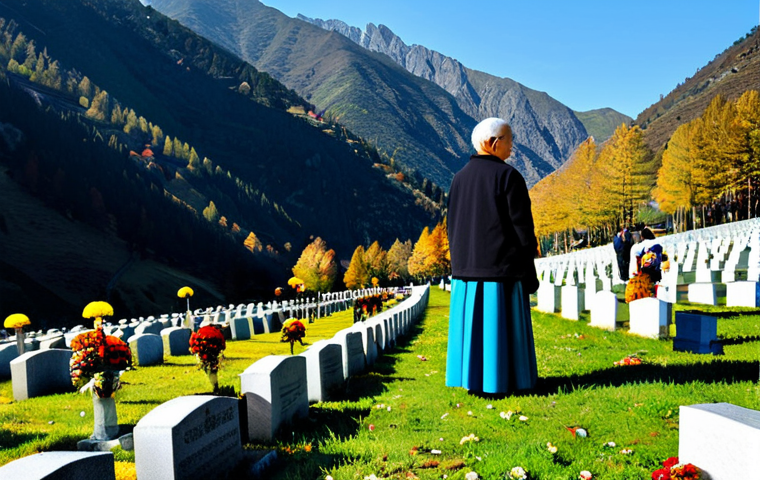
After the funeral mass, the procession moves to the local cemetery, where the burial takes place. Cemeteries in Andorra are often located in picturesque settings, surrounded by mountains and valleys.
They are places of peace and tranquility, where families can come to remember their loved ones. The burial itself is a solemn occasion, with family members and friends gathered around the graveside.
The Burial Ritual
The burial ritual typically involves lowering the coffin into the grave and saying final prayers. Family members often throw flowers or soil onto the coffin as a sign of farewell.
The priest blesses the grave, asking for God’s protection and eternal rest for the deceased. The entire ceremony is conducted with dignity and respect, reflecting the deep reverence for the dead.
Grave Decorations and Maintenance
After the burial, families often decorate the grave with flowers, wreaths, and other mementos. They take pride in maintaining the gravesite, keeping it clean and well-tended.
Visiting the cemetery is a regular activity for many Andorran families, especially on important religious holidays and anniversaries. It’s a way to honor the memory of their loved ones and keep their spirits alive.
Commemorative Plaques: Honoring Ancestry
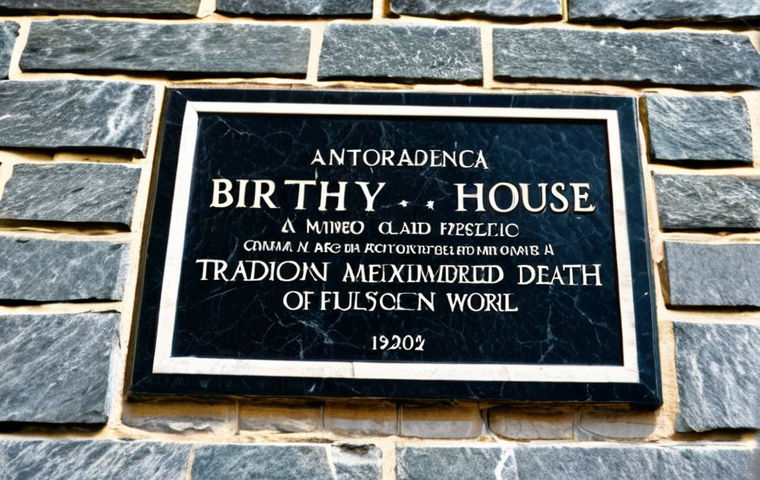
One unique aspect of Andorran funeral traditions that I found particularly fascinating was the use of commemorative plaques. These plaques, often made of marble or granite, are placed on the exterior walls of homes or buildings where the deceased lived.
They serve as a permanent reminder of the person’s life and legacy.
Family History Engraved in Stone
The plaques typically include the person’s name, date of birth, and date of death. They may also include a brief inscription or a family crest. These plaques are not just about remembering the individual; they also serve as a record of family history and lineage.
They connect the present generation to their ancestors and provide a sense of continuity and belonging. I spent an afternoon wandering through one of the older villages, and was fascinated by the number of plaques I spotted – it’s like walking through a living history book!
A Lasting Tribute
The commemorative plaques are a lasting tribute to the deceased, ensuring that their memory will live on for generations to come. They are a visible reminder of the person’s contribution to the community and their place in the family history.
These plaques are carefully maintained and preserved, symbolizing the enduring love and respect for the deceased.
All Saints’ Day: A Time for Remembrance
All Saints’ Day, celebrated on November 1st, is an important holiday in Andorra, as it is in many Catholic countries. It’s a day dedicated to remembering and honoring all the saints, known and unknown.
It’s also a day when families visit the graves of their loved ones, bringing flowers and cleaning the tombstones.
Visiting the Cemetery
On All Saints’ Day, cemeteries in Andorra are bustling with activity as families gather to pay their respects. They bring bouquets of chrysanthemums, the traditional flower for the occasion, and carefully arrange them on the graves.
They clean the tombstones, removing any dirt or debris, and light candles to illuminate the graves. The atmosphere is one of quiet reflection and remembrance.
Family Gatherings and Meals
After visiting the cemetery, families often gather for a special meal. They share stories and memories of their loved ones, keeping their spirits alive.
The meal is usually a festive occasion, with traditional Andorran dishes being served. It’s a time for family bonding and strengthening ties across generations.
Here’s a quick overview of some key elements of Andorran funeral traditions:
| Tradition | Description | Significance |
|---|---|---|
| The Wake (Vetlla) | A gathering of family and friends to offer support and share memories of the deceased. | Provides comfort, celebrates life, and strengthens community bonds. |
| Funeral Mass | A religious ceremony held in the local church, featuring prayers, hymns, and a eulogy. | Offers spiritual solace and honors the life of the deceased. |
| Burial Ritual | The lowering of the coffin into the grave, accompanied by prayers and blessings. | A final farewell and a symbolic return to the earth. |
| Grave Decorations | Families decorate graves with flowers, wreaths, and other mementos. | Honors the memory of the deceased and provides a place for remembrance. |
| Commemorative Plaques | Plaques placed on homes or buildings where the deceased lived, recording their name and dates. | A lasting tribute and a record of family history. |
| All Saints’ Day | A day for visiting cemeteries, bringing flowers, and remembering loved ones. | Honors the memory of the deceased and strengthens family ties. |
Adapting to Modern Times: Changes and Continuities
While many Andorran funeral traditions remain deeply rooted in the past, they are also adapting to modern times. Cremation, for example, is becoming more common, although traditional burial is still preferred.
The use of technology, such as online obituaries and memorial pages, is also increasing. However, the core values of community, faith, and remembrance remain central to the Andorran way of mourning.
The Rise of Cremation
Cremation has become a more accepted option in recent years, although it’s still not as prevalent as traditional burial. This is partly due to changing attitudes towards death and a growing awareness of environmental concerns.
Cremation offers a more flexible option for families who may not have the space or resources for a traditional burial plot.
Technology and Remembrance
Technology is also playing a role in modernizing Andorran funeral traditions. Online obituaries and memorial pages allow families to share information about the deceased and receive condolences from friends and relatives who may not be able to attend the funeral in person.
These online platforms also provide a space for sharing memories, photos, and videos, creating a lasting tribute to the deceased.
The Enduring Significance of Tradition
Despite the changes brought about by modernization, Andorran funeral traditions continue to hold deep significance for the people of this small principality.
They provide a framework for grieving, honoring the dead, and strengthening community bonds. These traditions are a testament to the enduring power of faith, family, and remembrance in the face of loss.
By understanding and respecting these customs, we can gain a deeper appreciation for the unique culture of Andorra.
A Reflection of Andorran Values
Andorran funeral traditions are a reflection of the values that are most important to the Andorran people: community, family, faith, and respect for the past.
These values are woven into the fabric of Andorran society and are evident in the way they approach death and remembrance. By observing and participating in these traditions, I gained a deeper understanding of the Andorran soul.
A Legacy for Future Generations
These traditions are not just about honoring the past; they are also about preserving a legacy for future generations. By passing down these customs and values, Andorrans ensure that their cultural identity will remain strong for years to come.
It’s a reminder that even in the face of change, the things that truly matter – love, family, and community – will endure. Andorran traditions surrounding death and remembrance offer a profound insight into the heart of this unique principality.
My time spent witnessing these customs firsthand has left me with a deep appreciation for the Andorran spirit – a spirit that values community, faith, and the enduring power of memory.
It’s a reminder that even in the face of loss, there is beauty, strength, and an unwavering connection to the past.
In Conclusion
Exploring Andorran funeral traditions was more than just an observation of customs; it was a journey into the soul of a nation. The blend of solemnity and celebration, the emphasis on community support, and the enduring respect for ancestors paints a vivid picture of Andorran values. It’s a reminder that how we say goodbye speaks volumes about how we live.
Good To Know
1. Currency: The official currency of Andorra is the Euro (€). It’s always a good idea to have some cash on hand, especially in smaller villages, although credit cards are widely accepted.
2. Language: Catalan is the official language, but Spanish and French are also widely spoken. Learning a few basic Catalan phrases will be greatly appreciated by locals.
3. Tipping: Tipping is not expected in Andorra, but it’s always appreciated for exceptional service. A 5-10% tip is customary in restaurants for outstanding service.
4. All Saints’ Day Flowers: Chrysanthemums are the traditional flower for All Saints’ Day in Andorra. You’ll see them everywhere in the cemeteries on November 1st.
5. Transportation: While Andorra is small, renting a car is the easiest way to explore the country at your own pace. Public transportation is available, but it may be limited in some areas.
Key Takeaways
Andorran funeral traditions are a unique blend of Catalan and Spanish influences, deeply rooted in community and faith.
The wake (vetlla) is a vital time for shared memories and community support.
Commemorative plaques serve as lasting tributes to the deceased and a record of family history.
All Saints’ Day is an important holiday for remembering and honoring loved ones.
While adapting to modern times, Andorran funeral traditions continue to hold deep significance for the Andorran people.
Frequently Asked Questions (FAQ) 📖
Q: Are
A: ndorran funeral traditions very different from those of surrounding countries like Spain or France? A1: While there are definitely shared influences, particularly from Catalan and Spanish culture, Andorra has its own unique spin on funeral traditions.
I found that there’s a stronger emphasis on community involvement and very intimate family gatherings. The rituals feel more personal and deeply connected to the Andorran way of life, even though you’ll see familiar elements like religious rites.
It’s like a variation on a theme, but the Andorran version has its own distinct flavor.
Q: What’s the general atmosphere like during an
A: ndorran funeral? Is it a somber affair or is there a sense of celebration of life? A2: From what I experienced, it’s definitely a solemn occasion, treated with immense respect.
There’s a palpable sense of mourning and loss, of course. However, I also noticed a strong undercurrent of community support and remembrance. People come together to comfort the bereaved family and share stories about the deceased.
It’s not a raucous celebration, but there’s a quiet acknowledgment of the life that was lived and a sense of unity in shared grief. Think more contemplative than celebratory.
Q: Are there any specific rituals or customs that are particularly unique to
A: ndorran funerals? A3: One thing that stood out to me was the importance of family gatherings before and after the actual funeral service. These are very intimate events, often held at the family home, where relatives and close friends come together to share memories and offer condolences.
The level of community support offered to the family is striking. Also, while prayer and religious ceremonies were important, I noticed the emphasis placed on ensuring that the deceased’s wishes were honored and that their memory lived on within the family.
I got the feeling that maintaining that connection to the past was a priority.
📚 References
Wikipedia Encyclopedia
구글 검색 결과
구글 검색 결과
구글 검색 결과
구글 검색 결과
구글 검색 결과