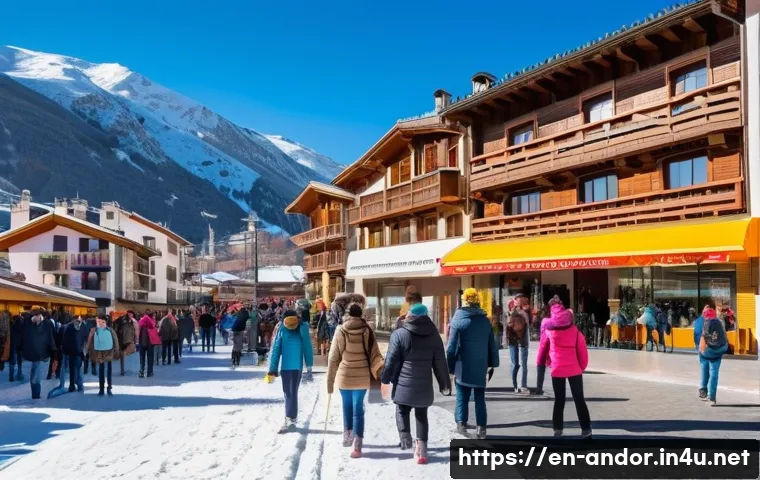
Nestled high in the Pyrenees, Andorra, a tiny nation between France and Spain, is quickly becoming a hotspot for cycling and mountain biking enthusiasts.
I’ve personally witnessed its transformation, trading quiet ski slopes for bustling trails filled with riders of all levels. The challenging terrain, coupled with breathtaking scenery, makes for an unforgettable riding experience.
But beyond the adrenaline rush, Andorra offers a unique blend of culture and gastronomy, making it more than just a cycling destination. Recent trends point towards increased investment in trail maintenance and the development of new routes, ensuring a sustainable and enjoyable experience for years to come.
Future predictions suggest Andorra could become a leading European hub for MTB tourism, attracting cyclists from around the globe. Let’s delve deeper to discover what makes Andorra such a captivating destination for cyclists.
Let’s find out more precisely in the article below!
Andorra’s allure for cyclists goes beyond just challenging routes; it’s about the complete experience. Let’s dive into why this tiny nation is a must-visit for any cycling enthusiast.
Unveiling Andorra’s Diverse Cycling Routes
Andorra isn’t a one-size-fits-all cycling destination. I remember the first time I rode here, I was blown away by the sheer variety of trails. From smooth, paved roads perfect for road biking to rugged mountain paths demanding technical skill, there’s something for everyone.
It’s not just about the variety; it’s about the quality. Trails are meticulously maintained, and new routes are constantly being developed, ensuring a fresh experience every time.
I’ve seen families with young children enjoying leisurely rides along the valley floors, while hardcore downhillers tackle near-vertical descents. This accessibility and diversity is what sets Andorra apart.
Road Cycling Adventures
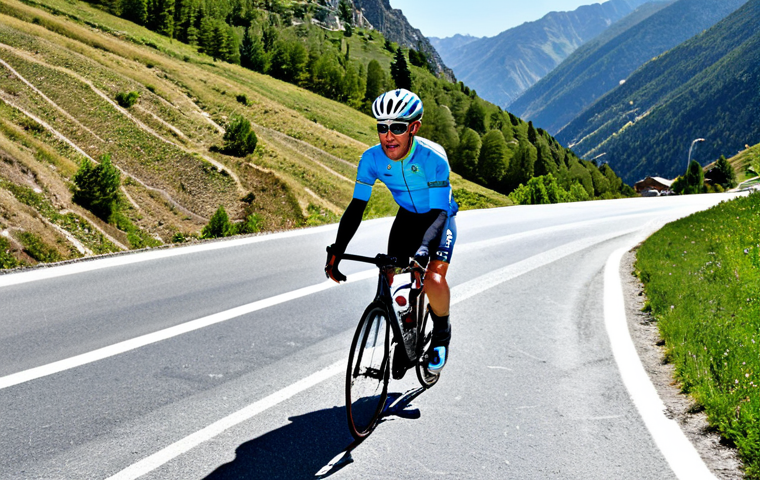
Andorra’s well-maintained roads wind through stunning valleys and over challenging mountain passes. Many of these routes have been featured in professional cycling races, offering riders the chance to test their legs on legendary climbs.
One of my personal favorites is the Coll de la Gallina, a steep and winding ascent that rewards you with breathtaking panoramic views.
Mountain Biking Thrills
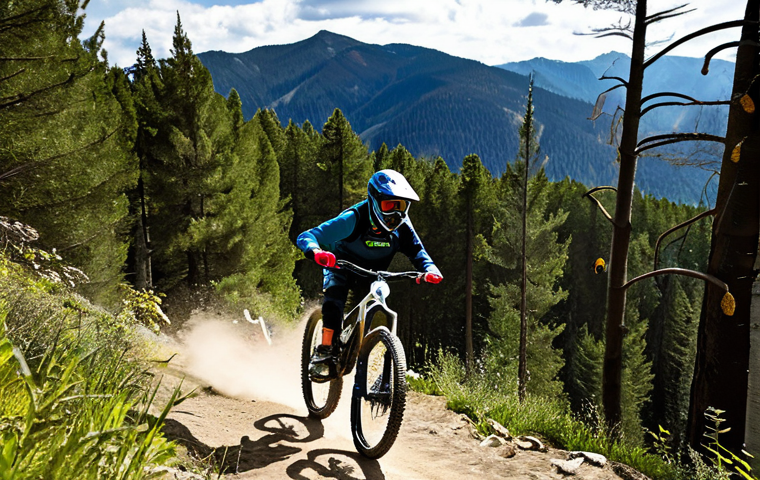
For the adventurous, Andorra boasts an extensive network of mountain biking trails. From flowy singletrack to technical downhill courses, there’s a trail to suit every skill level.
Vallnord Bike Park is a must-visit for any serious mountain biker, offering a variety of trails, lifts, and amenities. I spent a whole day there last summer and barely scratched the surface.
Gravel Grinding Escapades
Gravel biking is gaining popularity in Andorra, and for good reason. The country’s extensive network of unpaved roads and trails provides endless opportunities for exploration.
Imagine pedaling through remote valleys, surrounded by towering peaks and pristine forests. It’s an experience that truly connects you with nature.
The Allure of Andorra’s High-Altitude Training
Andorra’s high-altitude environment is a major draw for professional cyclists and athletes looking to boost their performance. Training at altitude increases red blood cell production, leading to improved oxygen delivery to muscles.
I’ve spoken with several pro cyclists who swear by Andorra’s altitude for pre-season training. It’s not just about the physical benefits; the clean air and peaceful surroundings contribute to a positive mental state, crucial for optimal training.
Physiological Benefits of High Altitude
The science behind high-altitude training is well-established. Lower oxygen levels stimulate the body to produce more red blood cells, enhancing endurance and performance.
Many athletes see significant improvements in their VO2 max and lactate threshold after spending time training at altitude.
Psychological Advantages of Training in Andorra
Beyond the physiological benefits, Andorra offers a tranquil and inspiring environment for training. The stunning scenery, fresh air, and lack of distractions can help athletes focus on their goals and achieve peak performance.
I’ve found that the quiet solitude of the mountains allows me to clear my head and reconnect with my passion for cycling.
Optimal Altitude for Cycling Training
Andorra’s altitude, ranging from around 1,000 meters to nearly 3,000 meters, provides an ideal range for effective high-altitude training. It’s high enough to stimulate physiological adaptations but not so high as to cause excessive stress on the body.
This balance makes Andorra a perfect location for both amateur and professional cyclists.
Exploring Andorra’s Cycling Infrastructure and Services
Andorra has invested heavily in cycling infrastructure and services to cater to the growing number of cyclists visiting the country. Bike shops are plentiful, offering rentals, repairs, and expert advice.
Hotels and restaurants cater specifically to cyclists, providing secure bike storage, nutritious meals, and information about local routes. I’ve always found the local businesses to be incredibly welcoming and helpful.
Bike Rentals and Repair Shops
Finding a reliable bike rental or repair shop in Andorra is easy. Several shops offer a wide range of bikes, from road bikes and mountain bikes to e-bikes and gravel bikes.
Most shops also provide repair services, ensuring that your bike is always in top condition. I once had a flat tire miles from anywhere, and a local shop owner drove out to rescue me – that’s the kind of service you can expect in Andorra.
Cyclist-Friendly Accommodation and Dining
Many hotels and restaurants in Andorra cater specifically to cyclists, offering secure bike storage, nutritious meals, and early breakfast options. Some hotels even have dedicated bike wash areas and repair stations.
I’ve stayed in hotels that provide detailed maps of local cycling routes and offer guided rides for guests.
Guided Tours and Cycling Events
For those who prefer a guided experience, several companies offer cycling tours in Andorra. These tours can range from leisurely rides through the valleys to challenging ascents of the mountain passes.
Andorra also hosts several cycling events throughout the year, including races, festivals, and training camps.
Navigating the Best Time to Cycle in Andorra
The best time to cycle in Andorra depends on your preferred type of riding and weather conditions. Summer months (June-August) offer warm temperatures and long daylight hours, ideal for road cycling and mountain biking.
Spring and autumn provide milder temperatures and fewer crowds, perfect for gravel riding and exploring the countryside. Winter is best left to skiers, unless you’re a fan of fat biking in the snow.
Summer Cycling in Andorra
Summer is peak season for cycling in Andorra, with warm temperatures and plenty of sunshine. The roads are clear of snow, and the mountain trails are in excellent condition.
However, expect more traffic on the roads and trails, and book your accommodation and tours in advance.
Spring and Autumn Cycling in Andorra
Spring and autumn offer a more relaxed cycling experience in Andorra, with milder temperatures and fewer crowds. The landscapes are also incredibly beautiful during these seasons, with vibrant wildflowers in spring and stunning autumn foliage.
Just be prepared for occasional rain showers and cooler temperatures at higher altitudes.
Winter Cycling in Andorra
While winter is primarily known for skiing in Andorra, fat biking is gaining popularity as a way to explore the snow-covered landscapes. Several resorts offer fat bike rentals and guided tours.
Just be sure to dress warmly and check the weather conditions before heading out.
| Season | Pros | Cons | Ideal For |
|---|---|---|---|
| Summer (June-August) | Warm temperatures, long daylight hours, excellent trail conditions | More traffic, higher prices, crowded trails | Road cycling, mountain biking |
| Spring/Autumn | Milder temperatures, fewer crowds, beautiful landscapes | Occasional rain, cooler temperatures at altitude | Gravel riding, exploring the countryside |
| Winter | Unique snow biking experience, fewer crowds | Cold temperatures, limited trail access, requires specialized equipment | Fat biking |
Indulging in Andorran Culture and Gastronomy
Cycling in Andorra isn’t just about the riding; it’s also about experiencing the local culture and cuisine. Take the time to explore the charming villages, sample traditional Andorran dishes, and learn about the country’s rich history.
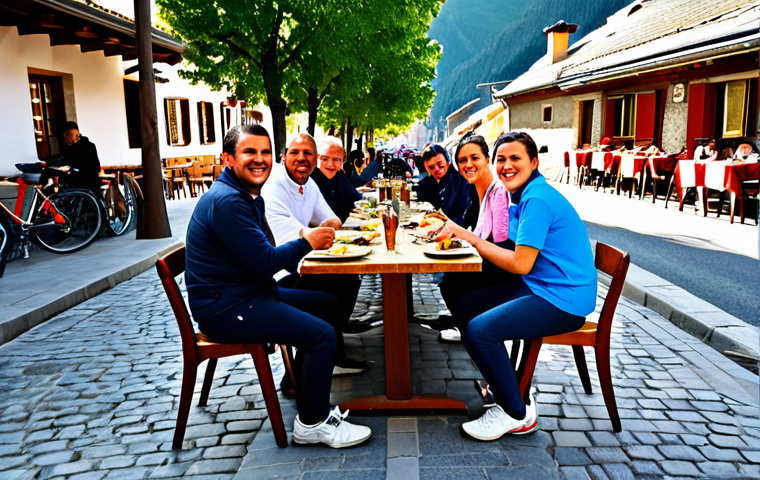
After a long day in the saddle, nothing beats a hearty meal of trinxat (a potato and cabbage dish) and a glass of local wine. I always make a point of visiting the local markets to sample the fresh produce and regional specialties.
Exploring Andorran Villages
Andorra is dotted with charming villages, each with its own unique character and history. Take a stroll through the narrow streets, admire the traditional stone houses, and visit the local churches.
Some of my favorite villages include Ordino, Pal, and Canillo.
Savoring Andorran Cuisine
Andorran cuisine is a blend of Catalan and French influences, with a focus on hearty, locally sourced ingredients. Be sure to try traditional dishes such as trinxat, escudella (a hearty stew), and cargols a la llauna (grilled snails).
And don’t forget to sample the local wines and cheeses.
Discovering Andorran History and Heritage
Andorra has a rich history and heritage, dating back to the Middle Ages. Visit the Casa de la Vall, the historic parliament building, and the Romanesque churches scattered throughout the country.
Learn about Andorra’s unique political system and its long-standing tradition of neutrality.
Essential Tips for Planning Your Cycling Trip to Andorra
Planning a cycling trip to Andorra requires some preparation. Book your accommodation and flights in advance, especially if you’re traveling during peak season.
Pack appropriate clothing for the weather conditions, including layers and rain gear. Make sure your bike is in good working order, or rent a bike from a reputable shop.
And don’t forget to purchase travel insurance.
Booking Accommodation and Flights
Book your accommodation and flights well in advance, especially if you’re traveling during the summer months. Andorra is a popular destination, and the best hotels and flights tend to sell out quickly.
Consider booking a package deal that includes both accommodation and flights.
Packing Essentials for Cycling in Andorra
Pack appropriate clothing for the weather conditions, including layers that can be easily added or removed. Bring a waterproof jacket and pants, as rain is common in the mountains.
Don’t forget sunscreen, sunglasses, and a helmet. And be sure to pack a repair kit for your bike, including spare tubes, tire levers, and a multi-tool.
Bike Maintenance and Safety Tips
Before heading to Andorra, make sure your bike is in good working order. Check the brakes, gears, and tires. If you’re renting a bike, inspect it carefully before setting off.
Always wear a helmet and follow the local traffic laws. And be aware of your surroundings, especially when cycling on mountain roads. Andorra’s allure for cyclists goes beyond just challenging routes; it’s about the complete experience.
Let’s dive into why this tiny nation is a must-visit for any cycling enthusiast.
Unveiling Andorra’s Diverse Cycling Routes
Andorra isn’t a one-size-fits-all cycling destination. I remember the first time I rode here, I was blown away by the sheer variety of trails. From smooth, paved roads perfect for road biking to rugged mountain paths demanding technical skill, there’s something for everyone. It’s not just about the variety; it’s about the quality. Trails are meticulously maintained, and new routes are constantly being developed, ensuring a fresh experience every time. I’ve seen families with young children enjoying leisurely rides along the valley floors, while hardcore downhillers tackle near-vertical descents. This accessibility and diversity is what sets Andorra apart.
Road Cycling Adventures
Andorra’s well-maintained roads wind through stunning valleys and over challenging mountain passes. Many of these routes have been featured in professional cycling races, offering riders the chance to test their legs on legendary climbs. One of my personal favorites is the Coll de la Gallina, a steep and winding ascent that rewards you with breathtaking panoramic views.
Mountain Biking Thrills
For the adventurous, Andorra boasts an extensive network of mountain biking trails. From flowy singletrack to technical downhill courses, there’s a trail to suit every skill level. Vallnord Bike Park is a must-visit for any serious mountain biker, offering a variety of trails, lifts, and amenities. I spent a whole day there last summer and barely scratched the surface.
Gravel Grinding Escapades
Gravel biking is gaining popularity in Andorra, and for good reason. The country’s extensive network of unpaved roads and trails provides endless opportunities for exploration. Imagine pedaling through remote valleys, surrounded by towering peaks and pristine forests. It’s an experience that truly connects you with nature.
The Allure of Andorra’s High-Altitude Training
Andorra’s high-altitude environment is a major draw for professional cyclists and athletes looking to boost their performance. Training at altitude increases red blood cell production, leading to improved oxygen delivery to muscles. I’ve spoken with several pro cyclists who swear by Andorra’s altitude for pre-season training. It’s not just about the physical benefits; the clean air and peaceful surroundings contribute to a positive mental state, crucial for optimal training.
Physiological Benefits of High Altitude
The science behind high-altitude training is well-established. Lower oxygen levels stimulate the body to produce more red blood cells, enhancing endurance and performance. Many athletes see significant improvements in their VO2 max and lactate threshold after spending time training at altitude.
Psychological Advantages of Training in Andorra
Beyond the physiological benefits, Andorra offers a tranquil and inspiring environment for training. The stunning scenery, fresh air, and lack of distractions can help athletes focus on their goals and achieve peak performance. I’ve found that the quiet solitude of the mountains allows me to clear my head and reconnect with my passion for cycling.
Optimal Altitude for Cycling Training
Andorra’s altitude, ranging from around 1,000 meters to nearly 3,000 meters, provides an ideal range for effective high-altitude training. It’s high enough to stimulate physiological adaptations but not so high as to cause excessive stress on the body. This balance makes Andorra a perfect location for both amateur and professional cyclists.
Exploring Andorra’s Cycling Infrastructure and Services
Andorra has invested heavily in cycling infrastructure and services to cater to the growing number of cyclists visiting the country. Bike shops are plentiful, offering rentals, repairs, and expert advice. Hotels and restaurants cater specifically to cyclists, providing secure bike storage, nutritious meals, and information about local routes. I’ve always found the local businesses to be incredibly welcoming and helpful.
Bike Rentals and Repair Shops
Finding a reliable bike rental or repair shop in Andorra is easy. Several shops offer a wide range of bikes, from road bikes and mountain bikes to e-bikes and gravel bikes. Most shops also provide repair services, ensuring that your bike is always in top condition. I once had a flat tire miles from anywhere, and a local shop owner drove out to rescue me – that’s the kind of service you can expect in Andorra.
Cyclist-Friendly Accommodation and Dining
Many hotels and restaurants in Andorra cater specifically to cyclists, offering secure bike storage, nutritious meals, and early breakfast options. Some hotels even have dedicated bike wash areas and repair stations. I’ve stayed in hotels that provide detailed maps of local cycling routes and offer guided rides for guests.
Guided Tours and Cycling Events
For those who prefer a guided experience, several companies offer cycling tours in Andorra. These tours can range from leisurely rides through the valleys to challenging ascents of the mountain passes. Andorra also hosts several cycling events throughout the year, including races, festivals, and training camps.
Navigating the Best Time to Cycle in Andorra
The best time to cycle in Andorra depends on your preferred type of riding and weather conditions. Summer months (June-August) offer warm temperatures and long daylight hours, ideal for road cycling and mountain biking. Spring and autumn provide milder temperatures and fewer crowds, perfect for gravel riding and exploring the countryside. Winter is best left to skiers, unless you’re a fan of fat biking in the snow.
Summer Cycling in Andorra
Summer is peak season for cycling in Andorra, with warm temperatures and plenty of sunshine. The roads are clear of snow, and the mountain trails are in excellent condition. However, expect more traffic on the roads and trails, and book your accommodation and tours in advance.
Spring and Autumn Cycling in Andorra
Spring and autumn offer a more relaxed cycling experience in Andorra, with milder temperatures and fewer crowds. The landscapes are also incredibly beautiful during these seasons, with vibrant wildflowers in spring and stunning autumn foliage. Just be prepared for occasional rain showers and cooler temperatures at higher altitudes.
Winter Cycling in Andorra
While winter is primarily known for skiing in Andorra, fat biking is gaining popularity as a way to explore the snow-covered landscapes. Several resorts offer fat bike rentals and guided tours. Just be sure to dress warmly and check the weather conditions before heading out.
| Season | Pros | Cons | Ideal For |
|---|---|---|---|
| Summer (June-August) | Warm temperatures, long daylight hours, excellent trail conditions | More traffic, higher prices, crowded trails | Road cycling, mountain biking |
| Spring/Autumn | Milder temperatures, fewer crowds, beautiful landscapes | Occasional rain, cooler temperatures at altitude | Gravel riding, exploring the countryside |
| Winter | Unique snow biking experience, fewer crowds | Cold temperatures, limited trail access, requires specialized equipment | Fat biking |
Indulging in Andorran Culture and Gastronomy
Cycling in Andorra isn’t just about the riding; it’s also about experiencing the local culture and cuisine. Take the time to explore the charming villages, sample traditional Andorran dishes, and learn about the country’s rich history. After a long day in the saddle, nothing beats a hearty meal of trinxat (a potato and cabbage dish) and a glass of local wine. I always make a point of visiting the local markets to sample the fresh produce and regional specialties.
Exploring Andorran Villages
Andorra is dotted with charming villages, each with its own unique character and history. Take a stroll through the narrow streets, admire the traditional stone houses, and visit the local churches. Some of my favorite villages include Ordino, Pal, and Canillo.
Savoring Andorran Cuisine
Andorran cuisine is a blend of Catalan and French influences, with a focus on hearty, locally sourced ingredients. Be sure to try traditional dishes such as trinxat, escudella (a hearty stew), and cargols a la llauna (grilled snails). And don’t forget to sample the local wines and cheeses.
Discovering Andorran History and Heritage
Andorra has a rich history and heritage, dating back to the Middle Ages. Visit the Casa de la Vall, the historic parliament building, and the Romanesque churches scattered throughout the country. Learn about Andorra’s unique political system and its long-standing tradition of neutrality.
Essential Tips for Planning Your Cycling Trip to Andorra
Planning a cycling trip to Andorra requires some preparation. Book your accommodation and flights in advance, especially if you’re traveling during peak season. Pack appropriate clothing for the weather conditions, including layers and rain gear. Make sure your bike is in good working order, or rent a bike from a reputable shop. And don’t forget to purchase travel insurance.
Booking Accommodation and Flights
Book your accommodation and flights well in advance, especially if you’re traveling during the summer months. Andorra is a popular destination, and the best hotels and flights tend to sell out quickly. Consider booking a package deal that includes both accommodation and flights.
Packing Essentials for Cycling in Andorra
Pack appropriate clothing for the weather conditions, including layers that can be easily added or removed. Bring a waterproof jacket and pants, as rain is common in the mountains. Don’t forget sunscreen, sunglasses, and a helmet. And be sure to pack a repair kit for your bike, including spare tubes, tire levers, and a multi-tool.
Bike Maintenance and Safety Tips
Before heading to Andorra, make sure your bike is in good working order. Check the brakes, gears, and tires. If you’re renting a bike, inspect it carefully before setting off. Always wear a helmet and follow the local traffic laws. And be aware of your surroundings, especially when cycling on mountain roads.
In Conclusion
Andorra truly offers a unique and unforgettable cycling experience. Whether you’re a seasoned pro or a weekend warrior, the stunning scenery, challenging routes, and welcoming culture will leave you wanting more. So pack your bags, tune up your bike, and get ready for the ride of your life in the Pyrenees!
Useful Information
1. Currency: Andorra uses the Euro (€).
2. Language: The official language is Catalan, but Spanish and French are widely spoken.
3. Emergency Services: Dial 112 for emergencies.
4. Tipping: Tipping is not customary but is appreciated for good service.
5. Electrical Outlets: Andorra uses the standard European plug (Type F), 230V.
Key Takeaways
Andorra offers diverse cycling routes for all levels.
High-altitude training provides physiological and psychological benefits.
Cycling infrastructure and services are well-developed.
The best time to cycle depends on your preferences.
Don’t forget to experience Andorran culture and cuisine!
Frequently Asked Questions (FAQ) 📖
Q: What makes
A: ndorra particularly attractive for cycling, besides the scenery? A1: Beyond the incredible views, Andorra boasts some seriously challenging terrain that caters to both seasoned pros and folks just starting out.
Plus, it’s not just about the ride; you get a real taste of Andorran culture and food, which is a welcome treat after a long day on the trails. It’s like, you’re pushing your limits physically, but also getting a cultural experience you wouldn’t find anywhere else.
I’ve found myself swapping cycling stories over a hearty Trinxat more than once!
Q: Is
A: ndorra focused on sustainable tourism practices regarding cycling? A2: Absolutely. From what I’ve seen firsthand, they’re really putting money into keeping the trails in top condition and even developing new ones.
They understand that the biking scene is a big part of their future, and they’re working to make sure it’s enjoyable and doesn’t negatively impact the environment.
It’s reassuring to know that future generations will be able to shred those trails just like we do today.
Q: What does the future hold for mountain biking in
A: ndorra? A3: If the current trends continue, I reckon Andorra is well on its way to becoming a top European destination for mountain bikers. They’ve got the trails, the views, and the culture to draw cyclists from all over the world.
Based on the buzz I’ve heard in the cycling community, I’d bet good money that we’ll see even more investment and development in the area, cementing Andorra’s place on the map as a premier MTB location.
Seriously, you can feel the excitement brewing – it’s palpable!
📚 References
Wikipedia Encyclopedia
구글 검색 결과
구글 검색 결과
구글 검색 결과
구글 검색 결과
구글 검색 결과