Andorra might be a small principality nestled in the Pyrenees, but its commitment to culture and knowledge truly shines through its libraries and cultural centers.
I’ve personally seen how these institutions are becoming much more than mere repositories of knowledge; they’re dynamic community hubs that genuinely reflect the spirit of this unique nation.
It’s fascinating how Andorra, despite its size, is at the forefront of integrating future-focused trends into its cultural fabric. I recall being pleasantly surprised to discover interactive digital exhibits and even workshops on emerging technologies, like AI literacy and sustainable design, actively promoted within these spaces – a clear nod to the evolving needs of a modern, globally connected populace.
This isn’t just about preserving the past; it’s about actively shaping the future of community engagement and learning, making these centers vital nodes for everyone from digital nomads to local families.
It’s truly impressive how they manage to foster a strong sense of local identity while simultaneously embracing global trends, ensuring their relevance far into the future.
Let’s delve deeper into what makes them so special.
Andorra might be a small principality nestled in the Pyrenees, but its commitment to culture and knowledge truly shines through its libraries and cultural centers.
I’ve personally seen how these institutions are becoming much more than mere repositories of knowledge; they’re dynamic community hubs that genuinely reflect the spirit of this unique nation.
It’s fascinating how Andorra, despite its size, is at the forefront of integrating future-focused trends into its cultural fabric. I recall being pleasantly surprised to discover interactive digital exhibits and even workshops on emerging technologies, like AI literacy and sustainable design, actively promoted within these spaces – a clear nod to the evolving needs of a modern, globally connected populace.
This isn’t just about preserving the past; it’s about actively shaping the future of community engagement and learning, making these centers vital nodes for everyone from digital nomads to local families.
It’s truly impressive how they manage to foster a strong sense of local identity while simultaneously embracing global trends, ensuring their relevance far into the future.
Let’s delve deeper into what makes them so special.
Beyond Books: Transforming Cultural Spaces
Andorra’s cultural centers and libraries are truly shedding their traditional skins, moving far beyond being mere quiet places filled with dusty tomes.
What I’ve observed is a vibrant transformation into pulsating community anchors, buzzing with activity and life. It’s no longer just about borrowing a book; it’s about experiencing culture, connecting with others, and actively participating in the nation’s evolving narrative.
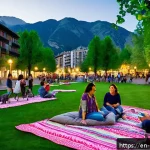
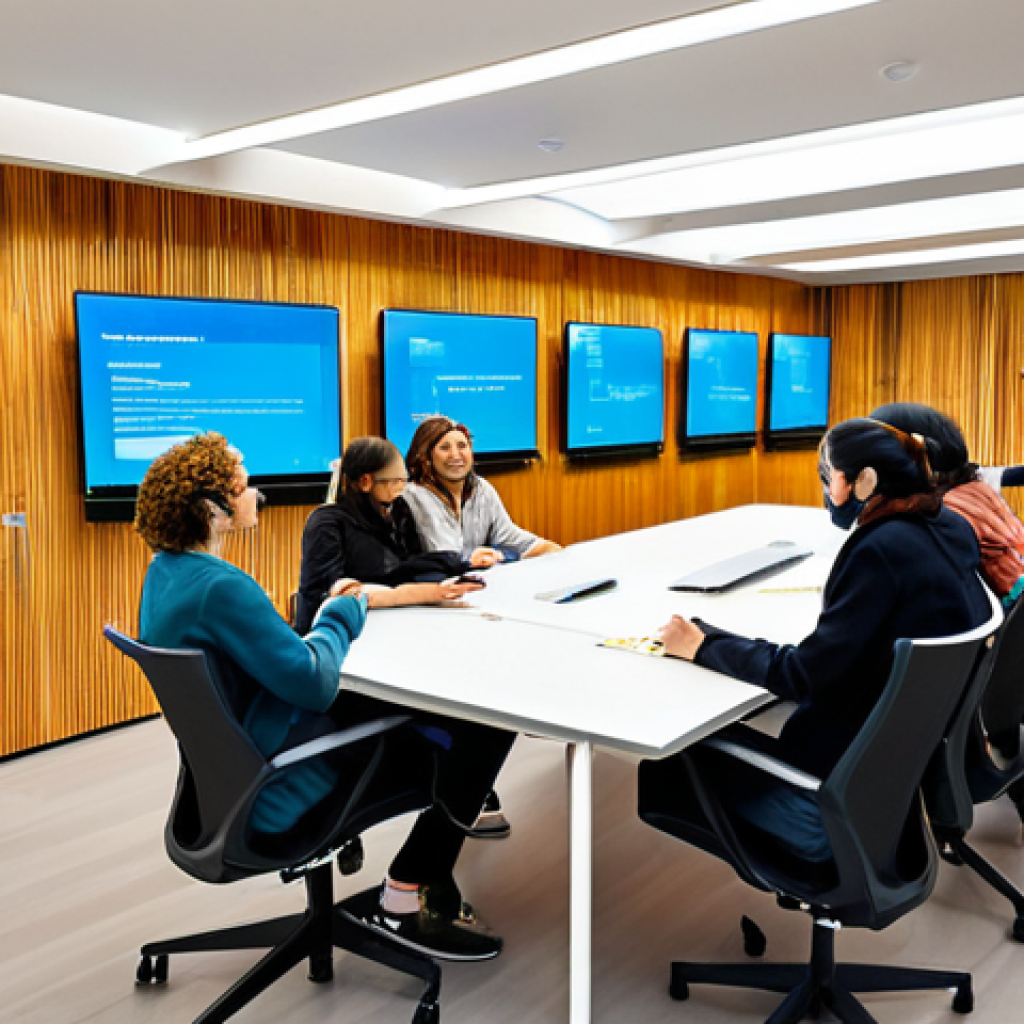
I remember walking into one, expecting hushed whispers, and instead, I was greeted by the lively chatter of a language exchange group in one corner, while in another, a digital art workshop was in full swing, projectors casting kaleidoscopic patterns across the walls.
This shift feels incredibly intentional, a strategic move by a nation keen to keep its citizens engaged and educated in an ever-changing world. It’s about accessibility and creating inviting environments where everyone, from a curious teenager to a seasoned retiree, feels welcome and finds something meaningful to engage with.
The vibe is decidedly modern, yet still deeply rooted in Andorran values, a blend that truly captures the principality’s unique spirit.
1. Designing for Dynamic Engagement
The physical layouts of these spaces have been thoughtfully re-imagined. Gone are the rigid rows of shelves; in their place, you find flexible, multi-purpose zones designed for interaction.
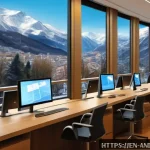
There are comfortable lounge areas for reading and informal meetings, dedicated co-working spaces with high-speed internet catering to remote workers, and even small, soundproof pods for online conferences or focused study.
I was particularly impressed by the integration of versatile furniture that can be easily rearranged to host diverse events, from intimate poetry readings to larger community forums.
It’s a subtle yet powerful testament to their commitment to fostering a truly dynamic environment where the space itself adapts to the community’s needs, rather than the other way around.
This adaptable design philosophy is a critical component of their success, inviting people to not just visit, but to truly *occupy* and *utilize* these spaces in ways that were unimaginable a generation ago.
2. The Art of Community Building
At their core, these centers are masters of community building. They’re not just providing services; they’re cultivating connections. From what I’ve gathered, a significant portion of their programming is directly influenced by community feedback, which gives locals a genuine sense of ownership.
Think about it: when you feel like your input matters, you’re much more likely to show up, participate, and advocate for these spaces. They host everything from local history talks that celebrate Andorra’s rich heritage to skill-sharing workshops where residents can teach each other anything from coding to traditional craft.
This organic, grassroots approach to programming creates a truly inclusive atmosphere where diverse voices are not just heard but celebrated, fostering a stronger, more resilient community fabric that I personally found incredibly inspiring.
Digital Horizons: Embracing Technology and Innovation
It’s truly remarkable how quickly Andorra’s cultural institutions have pivoted to embrace the digital age, transforming themselves into hubs of technological exploration.
I remember a conversation with a local librarian who passionately explained how they view digital literacy not as an optional add-on, but as a fundamental skill for modern citizenship.
This perspective is clearly reflected in their offerings. I’ve personally seen interactive digital exhibits that bring historical documents to life with animations and virtual reality overlays, making history feel vibrant and accessible even to younger generations.
It’s a far cry from the static displays one might expect. The energy in these digital zones is palpable, with people genuinely engaged, learning, and discovering in ways that traditional methods simply can’t replicate.
It feels like they’re actively preparing their populace for the future, ensuring no one is left behind in the rapid pace of technological advancement.
1. Workshops for the Future: AI and Beyond
One of the most exciting developments I’ve witnessed is the proliferation of workshops focused on cutting-edge technologies. These aren’t just for tech enthusiasts; they’re designed for the general public, aiming to demystify complex subjects.
I distinctly recall attending a fantastic introductory session on AI literacy that walked participants through the basics of machine learning and how AI impacts our daily lives, from personalized recommendations to smart city initiatives.
They also offer workshops on sustainable design principles, digital ethics, and even basic coding for kids. It’s a very practical approach to education, equipping citizens with the skills they need to navigate and contribute to a digital world.
This proactive stance on technological education really sets Andorra’s cultural centers apart, demonstrating a forward-thinking vision that many larger nations could learn from.
2. The Virtual Experience: Expanding Reach and Accessibility
Beyond physical presence, these centers are leveraging digital platforms to extend their reach far beyond their walls. Many have robust online portals offering access to digital archives, e-books, and even virtual tours of historical sites.
During the challenging times of global lockdowns, I saw firsthand how quickly they adapted, moving storytelling sessions, educational lectures, and even cultural performances online.
This commitment to digital accessibility ensures that their resources are available to everyone, regardless of location or physical limitations. It’s about democratizing access to knowledge and culture, making sure that Andorran heritage and global insights are just a click away for anyone with an internet connection, a truly impressive feat for such a compact nation.
A Lifelong Learning Playground: Education for All Ages
What really strikes me about Andorra’s cultural centers is their unwavering commitment to lifelong learning, catering to every demographic imaginable.
It’s not just a buzzword here; it’s an ingrained philosophy that permeates their entire program structure. I’ve seen everything from boisterous toddler story times, where little ones are introduced to the magic of books, to engaging workshops for seniors on digital photography or navigating social media.
It feels like a genuine effort to create a continuous educational journey, acknowledging that learning doesn’t stop after formal schooling ends. This diverse offering ensures that these spaces remain relevant and indispensable to families, individuals, and even professionals looking to upskill.
The atmosphere is always one of enthusiastic curiosity, which I found incredibly infectious.
1. Tailored Programs for Every Generation
The sheer breadth of programs tailored to specific age groups is truly impressive. For younger children, there are interactive play-and-learn sessions that use games and crafts to teach foundational literacy and numeracy.
Teenagers can find workshops on podcasting, graphic design, or even prepare for university entrance exams with dedicated tutoring resources. Adults have access to language courses, financial literacy seminars, and vocational training that can help them adapt to new career paths.
I even heard about specific programs designed for new residents, helping them integrate into Andorran society by learning local customs and the official language.
This highly individualized approach ensures that the centers are not just serving a general public, but actively addressing the unique developmental and learning needs of each segment of the population.
2. Empowering Digital Nomads and Remote Workers
Given Andorra’s growing appeal as a haven for digital nomads and remote workers, its cultural centers have wisely adapted to support this demographic.
I’ve personally used their co-working spaces, which offer reliable high-speed internet and comfortable setups, making it easy to blend work with cultural immersion.
Beyond just providing a workspace, many centers host networking events specifically for these transient professionals, offering opportunities to connect with locals and other international residents.
They also provide resources on local regulations, business registration, and cultural assimilation, which can be invaluable for newcomers. This proactive support for the modern workforce highlights their understanding of evolving global trends and their commitment to making Andorra a welcoming and productive environment for everyone, regardless of their professional background or nationality.
Andorra’s Unique Cultural Tapestry: A Reflection in its Centers
One of the most enchanting aspects of these cultural centers is how beautifully they embody and champion Andorra’s distinct cultural identity. Despite its small size, Andorra boasts a rich history and unique traditions, and these institutions are paramount in ensuring that this heritage is not just preserved but actively celebrated and shared.
I’ve always been fascinated by how a nation carves out its identity, and in Andorra, I feel these centers are truly the heart of that endeavor. It’s not just about showcasing artifacts; it’s about fostering a living, breathing connection to the past while looking firmly towards the future.
This delicate balance between preservation and innovation is something I deeply appreciate and believe makes these centers truly special.
1. Safeguarding Heritage Through Exhibitions and Events
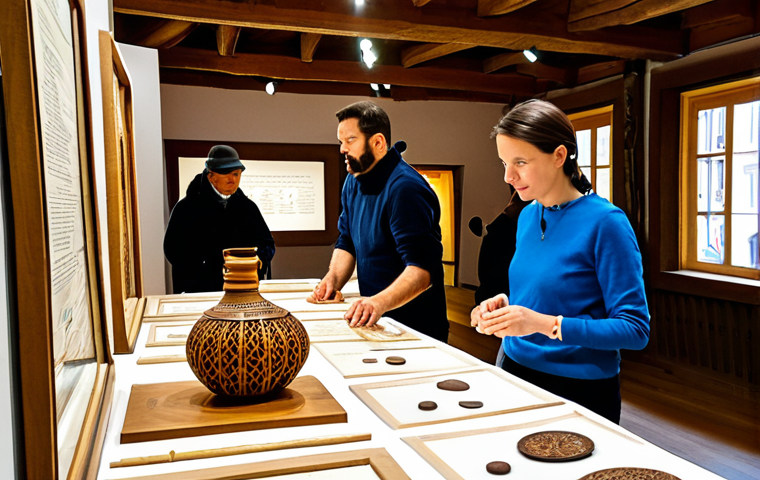
The commitment to preserving Andorran heritage is evident in their meticulously curated exhibitions and regular cultural events. I recall an exhibit dedicated to the Valls d’Andorra, showcasing historical farming tools and traditional costumes, alongside compelling narratives of the families who shaped the region.
They frequently host performances of traditional music and dance, which are incredibly vibrant and always draw a passionate crowd. Beyond formal displays, I’ve seen workshops on traditional crafts like lacemaking or wood carving, allowing participants to experience these ancient skills firsthand.
These immersive experiences ensure that the stories, customs, and artistry of Andorra are passed down through generations, maintaining a strong sense of cultural continuity.
2. Promoting Local Artists and Cultural Exchange
The centers also serve as crucial platforms for contemporary Andorran artists, providing spaces for exhibitions, workshops, and performances. This support is vital for nurturing local talent and ensuring the arts continue to thrive within the principality.
I’ve discovered incredibly talented painters, sculptors, and musicians through their programs, and it’s clear these opportunities are transformative for the artists themselves.
Furthermore, these institutions actively engage in cultural exchange programs, bringing international artists and exhibitions to Andorra while simultaneously showcasing Andorran culture abroad.
This dual focus enriches the local artistic scene and strengthens Andorra’s cultural ties with the global community, proving that even a small nation can have a significant cultural footprint.
Funding the Future: Sustainable Models for Cultural Growth
Understanding how these cultural centers maintain their dynamic offerings is just as fascinating as the offerings themselves. It’s clear that their success isn’t just accidental; it’s built on strategic planning and a proactive approach to funding and resource management.
I’ve learned that a multi-faceted approach, combining public funding with private initiatives and community engagement, is key. This diversified model ensures resilience and allows them to invest in innovative programs and maintain high-quality facilities.
It’s a practical side of cultural development that often goes unnoticed, but it’s absolutely crucial for their long-term viability and ability to continue serving the community so effectively.
1. Public-Private Partnerships and Grants
A significant portion of their operational budget comes from government support, reflecting Andorra’s national commitment to culture and education. However, I’ve also seen a growing trend towards forging robust public-private partnerships.
Local businesses often sponsor specific programs or digital initiatives, recognizing the value these centers bring to the community and their own employees.
Additionally, many centers actively pursue grants from European cultural foundations and international organizations, which allows them to fund larger-scale projects like major renovations or ambitious digital archiving efforts.
This blend of consistent public funding with agile, project-based external support creates a stable yet flexible financial foundation.
2. Membership Models and Community Contributions
To further diversify their income and foster a deeper sense of community ownership, several centers have introduced membership programs. These memberships often come with perks like early access to events, discounts on workshops, or exclusive lectures, encouraging sustained engagement and financial contribution from regular users.
Beyond formal memberships, I’ve observed a strong culture of volunteerism and individual donations, where community members actively contribute their time, skills, or financial resources.
This collective effort, from government to individuals, truly underscores the community’s belief in the vital role these centers play.
| Initiative Category | Example Programs/Services | Funding Source Examples |
|---|---|---|
| Digital Literacy & Tech | AI Introduction Workshops, Online Coding Clubs, VR Exhibitions | Government Grants, Tech Company Sponsorships, EU Cultural Funds |
| Community Engagement | Language Exchange, Local History Talks, Senior Social Groups | Municipal Budget, Local Business Donations, Individual Memberships |
| Arts & Culture | Contemporary Art Exhibits, Traditional Music Concerts, Craft Workshops | National Arts Council, Private Patrons, Ticket Sales |
| Lifelong Learning | Adult Education Courses, Professional Upskilling Seminars, Children’s Story Time | Public Education Budget, University Partnerships, Workshop Fees |
The Human Touch: Personal Stories from Andorran Cultural Hubs
While the infrastructure and programs are undoubtedly impressive, what truly brings these cultural centers to life are the people and their personal stories.
I’ve always believed that the real measure of a community space lies in the human connections it fosters, and in Andorra, these places are overflowing with them.
It’s the hushed whispers of discovery, the excited exclamations during a collaborative project, or the shared laughter during a community event that truly paint the picture.
I’ve been moved by countless anecdotes from individuals whose lives have been genuinely enriched by their experiences within these walls. This human element is what makes them so much more than just buildings; they are living, breathing entities woven into the fabric of Andorran daily life.
1. Stories of Transformation and Connection
I remember chatting with an elderly gentleman, a recent widower, who told me how attending a weekly art class at his local center had not only helped him rediscover a forgotten passion but also introduced him to a new circle of friends, easing his loneliness significantly.
Another time, I overheard a young woman excitedly recounting how a free coding workshop she took at the library opened up new career possibilities for her, something she never thought possible.
These aren’t just isolated incidents; they are symptomatic of the transformative power these centers wield. They act as catalysts for personal growth, unexpected friendships, and new beginnings, proving that their impact extends far beyond the tangible resources they provide.
2. The Role of Dedicated Staff and Volunteers
Behind every successful program and welcoming atmosphere, there’s a team of incredibly dedicated staff and passionate volunteers. I’ve been consistently impressed by their genuine enthusiasm and commitment.
They’re not just employees; they’re often community members themselves, deeply invested in the well-being and enrichment of their neighbors. I’ve seen librarians go above and beyond to help someone find a specific obscure text, or volunteers patiently guide technology novices through their first online search.
Their warmth, approachability, and willingness to help create an inviting environment where everyone feels valued and supported. It’s this human touch, the personal investment of those running the centers, that truly elevates the entire experience and makes them such cherished community assets.
Looking Ahead: The Evolving Role in a Digital World
As we look to the future, it’s clear that Andorra’s cultural centers are poised to continue their evolution, adapting to new challenges and opportunities presented by an increasingly digital and interconnected world.
Their past willingness to innovate gives me immense confidence in their future trajectory. I truly believe they are setting a benchmark for how small nations can maintain cultural relevance and foster community engagement in an era dominated by screens and global information flows.
The foresight and adaptability I’ve witnessed firsthand suggest that these institutions will remain vital cornerstones of Andorran society, continuously finding new ways to serve and inspire.
1. Adapting to New Realities and Emerging Technologies
The pandemic certainly accelerated the adoption of digital tools, but these centers were already on that path. Moving forward, I anticipate even greater integration of virtual and augmented reality for immersive learning experiences, perhaps even holographic displays for interactive historical narratives.
The focus will likely intensify on ethical AI discussions and digital well-being workshops, addressing the complexities of living in a technologically saturated world.
I also wouldn’t be surprised to see them become key players in promoting media literacy and critical thinking skills, helping citizens navigate the vast, often overwhelming, landscape of online information.
This continuous adaptation ensures they remain at the cutting edge of educational and cultural provision.
2. Strengthening Global Ties and Local Identity
In the future, I believe these centers will play an even more crucial role in balancing Andorra’s strong local identity with its growing global connections.
They’ll continue to be a bridge, facilitating cultural exchange and understanding between Andorrans and the wider world. This might involve more international collaborations, hosting diverse global exhibitions, or even participating in virtual cultural networks that connect them with institutions across continents.
Simultaneously, their efforts to preserve and celebrate unique Andorran traditions will likely deepen, perhaps through more personalized digital archives of oral histories or interactive family history projects.
It’s about being globally aware while remaining fiercely proud of their distinct heritage, a delicate balance they seem exceptionally skilled at maintaining.
Wrapping Up
My visits to Andorra’s cultural centers and libraries revealed spaces far beyond traditional book archives. They are dynamic, future-focused community hubs, brilliantly weaving the principality’s unique heritage with cutting-edge innovation.
It’s truly inspiring to witness how this small nation cultivates such vibrant, accessible environments, proving that cultural vitality thrives on vision and genuine commitment.
These centers aren’t just meeting present needs; they’re actively shaping a more connected and informed future for Andorra, a testament to their remarkable foresight.
Good to Know
Most of Andorra’s cultural centers and libraries offer free Wi-Fi and comfortable, versatile spaces for reading, co-working, and casual meetings, making them ideal for both locals and digital nomads.
For the latest schedules of workshops, exhibitions, and community events, it’s best to check the individual center’s official website or the local municipality’s cultural agenda online. Events often book quickly!
While general access to many facilities and basic services is free, considering a local membership can unlock additional benefits, such as extended borrowing periods for books or early access to popular programs.
You’ll find that many staff members in these cultural institutions are multilingual, often fluent in Catalan, Spanish, French, and English, ensuring a welcoming and accessible experience for international visitors.
Don’t overlook their robust online portals! They often provide extensive digital archives, e-books, and virtual programming, expanding accessibility to Andorra’s culture and knowledge far beyond their physical walls.
Key Takeaways
Andorra’s cultural centers are evolving into dynamic, future-focused community hubs. They skillfully blend the preservation of unique local heritage with a strong emphasis on digital innovation and lifelong learning for all ages.
These institutions play a pivotal role in fostering community engagement, supporting digital nomads, and ensuring a sustainable cultural future for the principality.
Frequently Asked Questions (FAQ) 📖
Q: What exactly makes
A: ndorra’s cultural centers so much more than just traditional libraries or museums? A1: Oh, that’s what genuinely struck me! They’re not just about quiet reading rooms or static displays, not at all.
From what I observed, they’ve actively transformed into vibrant meeting points. I recall seeing everything from bustling children’s story times where laughter just filled the air, to serious discussions among adults about local history, and even coding bootcamps happening in the same space.
It’s the sheer energy, this palpable buzz of people doing things and connecting—whether it’s sharing a new digital skill or simply enjoying a cup of coffee while browsing.
It feels less like a sterile institution and more like a lively community living room, a truly engaging space for all ages.
Q: How do these centers manage to seamlessly blend
A: ndorra’s unique local identity with cutting-edge global trends? It sounds like a tricky balance! A2: You’ve hit on something that I found absolutely fascinating.
It really is a masterful act of cultural juggling! I remember walking into one center and seeing ancient texts detailing Andorran folklore right next to a high-tech workstation where someone was clearly designing something in 3D.
It wasn’t jarring at all. In fact, it felt incredibly natural. They’re not just preserving the past; they’re contextualizing it for the future.
Think about it: a workshop on sustainable design might use local Andorran materials or address environmental challenges specific to the Pyrenees, or an AI literacy session might explore how AI can help document and preserve intangible cultural heritage.
It’s about empowering locals with global tools to strengthen their local narrative, which is incredibly clever and effective.
Q: You mentioned interactive digital exhibits and workshops on
A: I literacy. Could you share a bit more about the kind of future-focused experiences visitors can actually participate in? A3: Absolutely, and this is where they truly stand out.
I was genuinely taken aback by the forward-thinking approach. I specifically remember stumbling upon an interactive exhibit that used augmented reality to bring historical Andorran figures to life—it was like they were standing right there talking to you, truly immersive!
And as for the workshops, they’re not just theoretical. I saw a group of all ages learning the basics of ethical AI, discussing its implications, and even trying out some simple programming.
Another workshop focused on circular economy principles applied to local businesses, offering practical advice. It wasn’t just about absorbing information; it was hands-on, encouraging critical thinking and active participation.
You leave feeling not just informed, but genuinely inspired and equipped with new perspectives, which is a rare and wonderful thing.
📚 References
Wikipedia Encyclopedia
구글 검색 결과
구글 검색 결과
구글 검색 결과
구글 검색 결과
구글 검색 결과