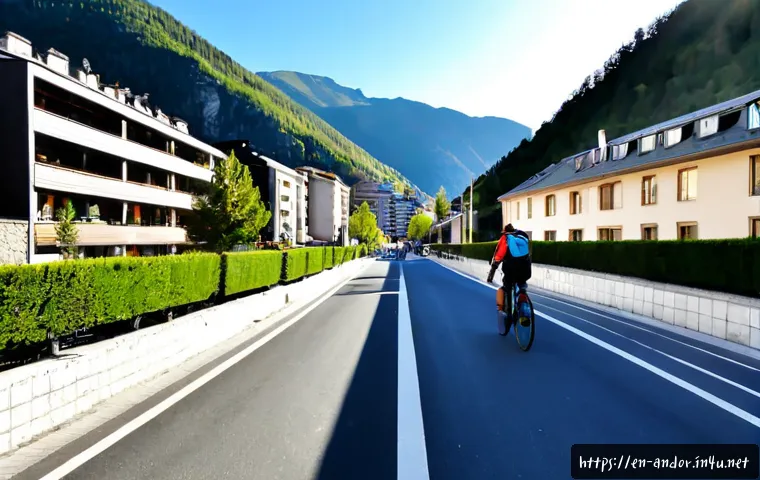
Cycling can be practical in selected parts of Andorra, but steep terrain, road conditions, and seasonal weather make route planning essential. An e-bike is often the more flexible choice for urban climbs, while a standard bike may suit confident riders on carefully checked routes.
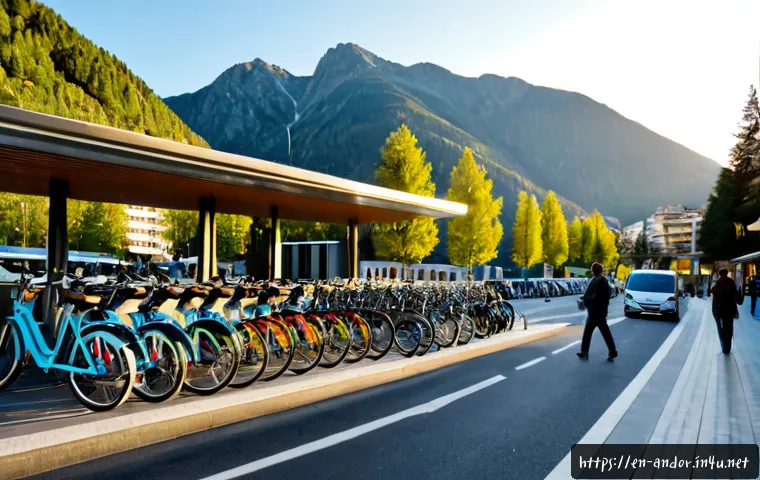
Visitors should compare bike rental terms, storage, helmets, locks, and insurance before booking. Residents considering daily cycling should assess the complete trip rather than relying on map distance alone.
Andorra’s seven parishes may manage public space and mobility measures differently, so local confirmation matters. For longer, steeper, or uncertain journeys, a guided ride or another transport option may be the better fit.
At a Glance
- Short distances do not always mean easy rides: elevation, gradients, traffic, and weather can change a simple urban trip.
- E-bikes can help on steeper streets, but charging access, secure storage, and rental conditions should be checked first.
- Local cycling facilities and rules may vary by parish, so confirm routes, parking, and public-space guidance with the relevant authority.
| Option | Best Terrain Fit | What to Compare | Storage and Experience Needs |
|---|---|---|---|
| Standard bicycle | Shorter or less demanding routes for confident riders | Rental duration, helmet, lock, repair support, damage deposit | Secure bike storage; comfort with gradients and traffic |
| E-bike | Urban climbs and mixed-elevation trips | Battery range guidance, charger access, insurance terms, total rental cost | Secure storage and a practical charging plan |
| Guided cycling service | Road cycling, mountain biking, or unfamiliar terrain | Route suitability, equipment inclusion, support arrangements, group fit | Useful for riders who want local route guidance |
| Other transport option | Bad weather, heavy luggage, family trips, or uncertain routes | Trip flexibility, bicycle carriage rules, and access to destinations | May be more practical than forcing an unsuitable bike trip |
Is Cycling a Practical Urban Transport Option in Andorra?
The Short Answer: Practical in Selected Areas, but Terrain and Route Design Matter
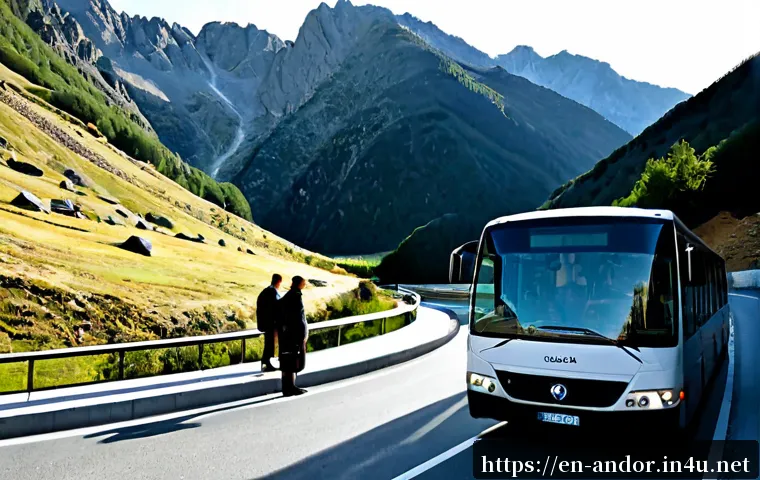
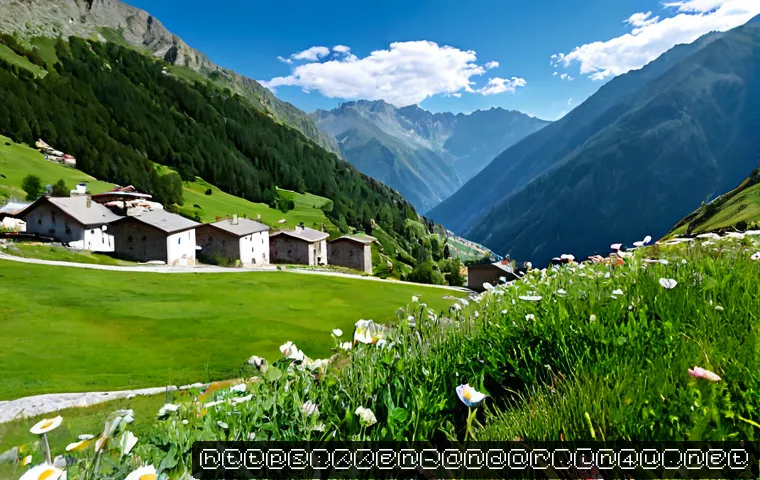
Andorra is a small, landlocked country in the Pyrenees between France and Spain, and its predominantly mountainous terrain shapes every cycling decision. Cycling can work well for certain local journeys, recreation, and tourism-focused riding, but it should not be treated as automatically convenient across every town or parish. Route continuity, gradient, traffic volume, and road type matter more than a short distance on a map.
Why Short Distances Can Still Require Planning
A nearby hotel, shop, workplace, or visitor attraction may involve a sustained climb, a descent followed by a return climb, or a road that feels uncomfortable for a less-confident rider. Downhill travel can look easy at the start, yet the return journey may be much more demanding. Weather and altitude can also change comfort and safety. Before relying on a bike, assess the full outbound and return route.
What to Verify Before Relying on a Bike for Daily Trips
Check whether the route has a clear cycling-friendly connection rather than assuming separate bike facilities form one usable network. Confirm the location and rules for bicycle parking, and ask whether there is practical access to key destinations such as accommodation, workplaces, shops, or public spaces. The relevant parish or official local authority is the right place to verify current route conditions, facility availability, and local public-space rules.
Compare Bike Types, Route Conditions, and Likely Costs
Standard Bicycle vs E-Bike for Steep Urban Streets
A standard bicycle may be a sensible option for experienced riders who have checked the elevation profile and road environment. An e-bike can make climbs more manageable and may be more realistic for mixed-elevation urban travel. However, an e-bike adds practical questions: where will it be charged, is the battery support clear, and is there secure overnight storage? The best choice is not simply the most powerful bike; it is the one that fits the route, rider ability, and support available.
Rental, Ownership, Guided Services, and Transport Alternatives
For visitors, a bike rental can be useful when the intended routes are already known. A guided cycling service may suit road cyclists and mountain bikers who want help selecting terrain-appropriate rides. Residents and businesses considering ownership should look beyond the bicycle itself and consider storage, maintenance access, and repeated exposure to local gradients and weather. If luggage, poor weather, or a difficult route is involved, another mobility option may offer better value and less stress.
Cost Factors Beyond the Advertised Daily Rate
Do not compare only the headline rental price. Ask what is included in the stated rate and what may be separate. Useful comparison points include helmet and lock inclusion, damage deposits, insurance coverage, repair arrangements, charging equipment, and storage expectations. For guided rides, also clarify what equipment and route support are included. Exact prices and coverage terms can change, so review the provider’s current conditions before committing.
A Comparison Framework for Different Rider Needs
Visitors making short city trips may value an e-bike with a lock and straightforward charging guidance. Experienced riders may place more value on bike condition, route information, and repair support. Families and casual riders should be more cautious: a route that works for a trained cyclist may not suit children, cargo bikes, or inexperienced riders. Hotels and tour operators can support cycling visitors by clearly explaining secure storage, access routes, and weather-related alternatives.
What a Bike-Friendly Urban Policy Should Include
Continuous and Legible Routes Rather Than Isolated Bike Lanes
A cycling-friendly urban policy is most useful when riders can understand how one safe section connects to the next. A short facility is less helpful if it ends before a difficult junction, steep section, or key destination. Clear route information helps residents and visitors decide whether cycling is practical for transport rather than only for sport.
Secure Parking, Lighting, Wayfinding, and Access to Key Destinations
Good cycling access is not limited to riding space. Riders also need secure parking, visible wayfinding, appropriate lighting, and access to destinations. These details are especially important for e-bikes, which can be more difficult to carry or leave in unsuitable locations. Businesses serving cyclists can reduce uncertainty by stating where bicycles may be stored and whether charging access is available.
Safe Intersections, Speed Management, and Winter-Weather Maintenance
Intersections and changes in road conditions can determine whether a route feels usable. In a mountainous setting, weather and seasonal conditions may affect surfaces, visibility, and rider confidence. A strong policy approach considers how cycling routes perform in changing conditions, not only during ideal weather. Riders should still confirm current local conditions before setting out.
How Parish-Level Decisions Can Affect the Rider Experience
Andorra is divided into seven parishes, and local public-space or mobility measures may be managed differently. That means a route, parking area, or local rule should not be assumed to apply everywhere. For travel plans, business projects, or urban mobility decisions, verify information with the relevant parish or official authority rather than relying on general impressions.
Planning a Safe Ride: Practical Checks and Common Mistakes
Check Elevation, Road Width, Traffic Conditions, and Weather
Start with the whole route, including the return direction. Check where climbs begin, whether road width changes, and whether traffic conditions may make a section uncomfortable. Cycling conditions can vary substantially by season, altitude, weather, traffic volume, and road type. A short route is not automatically an easy or safe route.
Confirm Rental Equipment, Locks, Helmets, Repairs, and Insurance Terms
Before choosing a bike rental, ask what equipment comes with the bike and what happens if there is a mechanical issue. Confirm the provider’s current terms for helmets, locks, damage deposits, repair assistance, and insurance. If a service offers guided cycling or mountain biking, ask whether the route is matched to your experience level and expected conditions.
Avoid Unsuitable Roads and Overestimating Downhill-Only Routes

A common planning mistake is treating a descent as a complete transport plan. The return may require a climb, changing weather may affect control and comfort, and a road suitable for fast sport cycling may not suit casual urban travel. Choose routes based on the least comfortable section, not the most enjoyable one.
Consider Charging and Secure Storage When Using an E-Bike
An e-bike can be a practical mobility tool, but only if its everyday needs are covered. Confirm where charging is permitted, whether accommodation offers secure bike storage, and whether the provider gives clear battery-use guidance. Never assume a hotel, apartment, workplace, or public location will provide charging or storage without checking first.
Which Cycling Option Fits Your Situation?
Visitors Planning Short City Trips
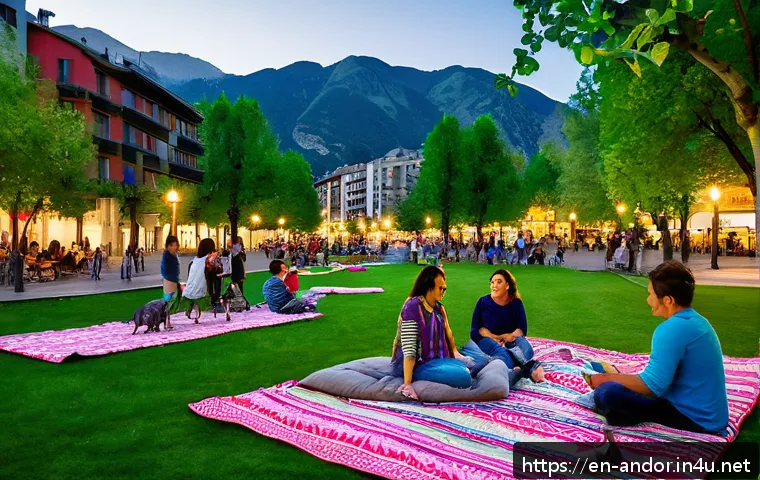
For short journeys around an urban centre such as Andorra la Vella, begin by checking the elevation and the final parking point. An e-bike may be worth considering if the route includes repeated climbs. If the route is unclear, weather is unsettled, or luggage is involved, compare another local mobility option rather than selecting a bicycle by default.
Experienced Road Cyclists and Mountain Bikers
Andorra is widely associated with road cycling and mountain biking as part of its outdoor tourism appeal. Experienced riders may benefit from a specialist rental or guided service that can explain local route conditions and equipment support. Even strong riders should verify current weather, road conditions, and the practical suitability of the intended route.
Families, Casual Riders, and Less-Confident Cyclists
Families and less-confident cyclists should prioritise predictable routes, manageable gradients, and a clear return plan. Do not assume that a road used by sport cyclists is suitable for children or casual trips. If route continuity, traffic comfort, or storage is uncertain, choose a simpler activity or transport option.
Hotels, Tour Operators, and Local Businesses Serving Cyclists
Businesses can make a meaningful difference by providing accurate information instead of broad claims about bike friendliness. Clear details about storage, charging, nearby access, route limitations, and weather alternatives help customers choose appropriately. This also supports a more realistic and useful cycling experience across different parishes.
Choosing a Bike Service or Mobility Option: Comparison Summary
Use this final checklist before booking a bike rental, e-bike service, guided ride, cycling tour, or alternative transport option:
- Prioritise route safety over map distance: check elevation, road type, traffic, weather, and the return journey.
- Compare total cost: review equipment, locks, deposits, insurance, repairs, storage, and charging—not only the advertised rate.
- Match the bike to the rider: choose a standard bike, e-bike, guided service, or another option based on ability and terrain.
- Confirm local details: ask the provider and relevant parish authority about current facilities, rules, and access conditions.
- Plan for secure storage: this is particularly important for rental bikes and e-bikes.
Check the relevant provider or official local authority page for current route guidance, operating terms, insurance details, and public-space rules.
In Closing
Cycling in Andorra can be enjoyable and practical when the route fits the rider and the terrain. The key is to plan for gradients, changing conditions, and the complete journey rather than focusing on distance alone. E-bikes, guided services, and alternative transport can each have a role depending on the trip. Local confirmation remains important because facilities and rules may differ by parish.
Useful Things to Know
Check before travel: bicycle carriage rules on public transport and any seasonal restrictions should be confirmed directly with the current operator or authority.
Check before booking accommodation: ask specifically about secure bicycle storage and e-bike charging access.
Check before a ride: road cycling and mountain biking conditions can change with weather, altitude, and season.
Important Notes
The extent, continuity, and maintenance standards of protected bike lanes are not assumed here and should be verified locally. Current cycling plans, parking programmes, subsidies, e-bike incentives, rental pricing, insurance coverage, and guided-tour terms may change. A particular route may not be suitable for children, inexperienced riders, cargo bikes, or daily commuting without a current, route-specific assessment.
Frequently Asked Questions
Q1. Is an e-bike worth the extra cost for getting around Andorra’s towns?
A1. It can be worth considering when your route includes steep urban streets or repeated climbs. Compare the total rental terms, including battery support, charging access, locks, storage, deposits, and insurance, rather than looking only at the daily rate.
Q2. Are Andorra’s urban cycling routes suitable for beginners and families?
A2. Suitability depends on the specific route, elevation, road type, traffic conditions, weather, and current local facilities. Beginners and families should confirm a route with the relevant parish or official authority and avoid assuming that short distances or sport-cycling roads are appropriate.
Q3. What should I compare when choosing a bike rental or guided cycling service in Andorra?
A3. Compare the bike type, route fit, rider support, helmet and lock inclusion, damage deposit, insurance terms, repair arrangements, charging access for e-bikes, and secure storage. For guided services, also ask how the route is matched to experience level and current conditions.