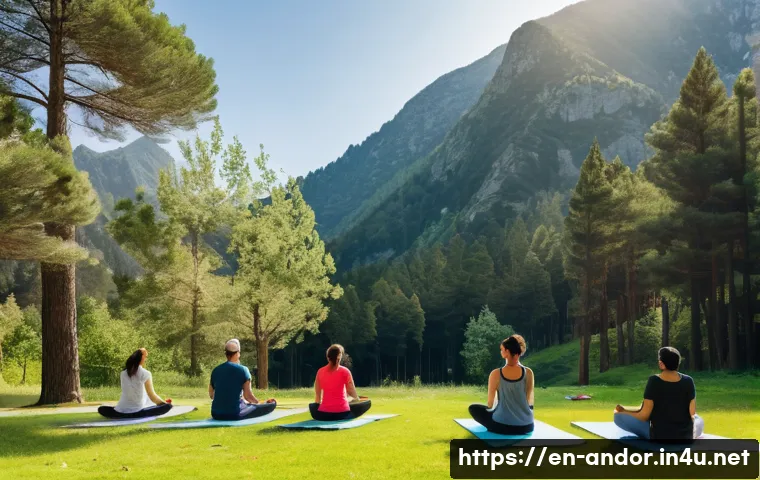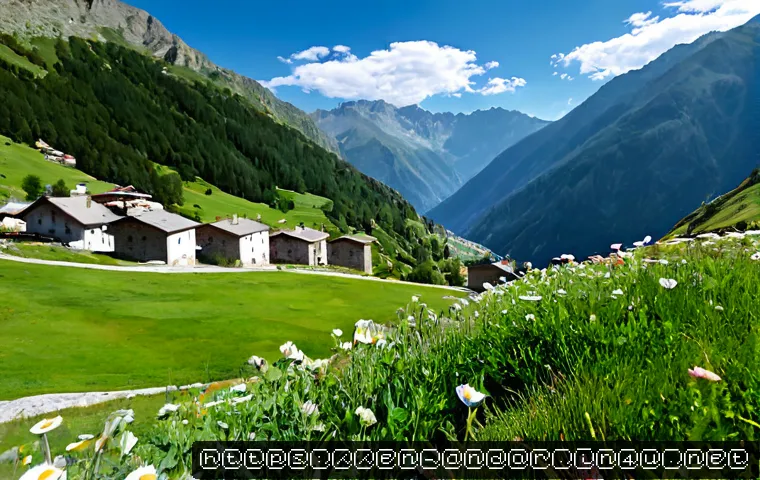
Andorra is best for snow sports in winter, hiking and cycling in summer, and quieter, more flexible trips in spring or autumn. Its high-altitude Pyrenees setting means cooler weather than nearby lowland destinations, with conditions that can change quickly by valley, resort, and time of day.
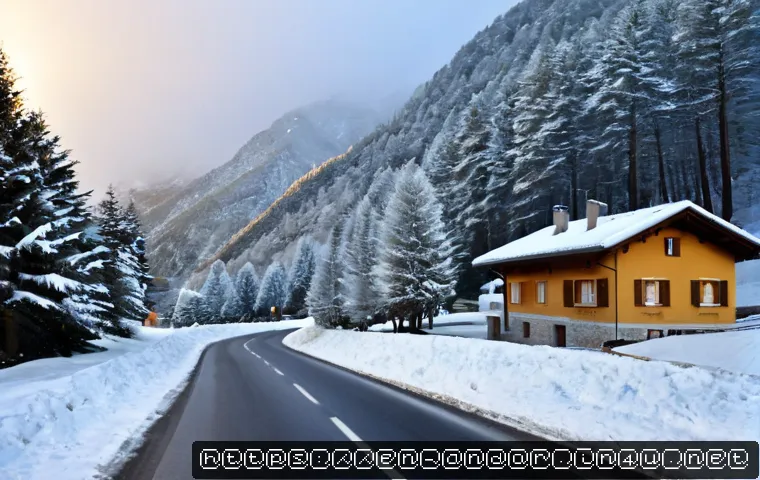
Choose winter if skiing is the priority, but check snow conditions, lift status, and road requirements close to departure. Choose summer for comfortable outdoor days, while packing for cool evenings and possible mountain thunderstorms.
The right hotel location, transport plan, and cancellation terms can matter as much as the season itself.
At a Glance
- Best for snow sports: Winter, when cold weather and snow are central to Andorra’s ski-season appeal.
- Best for hiking and cycling: Summer, with pleasant mountain days and cooler evenings at higher elevations.
- Best for a lower-pressure trip: Spring or autumn, when mixed conditions require flexibility but accommodation choices may feel less intense.
| Season | Best Trip Priorities | Weather Pattern | Booking and Transport Focus |
|---|---|---|---|
| Winter | Skiing, snow play, festive breaks | Cold; snow is an important travel factor | Ski packages, slope access, winter-ready car rental or transfers |
| Spring | Flexible ski trips, sightseeing, quieter stays | Changing mountain conditions | Flexible hotel bookings and close checks on resort operations |
| Summer | Hiking, cycling, family activities, scenic drives | Mild mountain days; cool evenings; possible rain or thunderstorms | Guided outdoor tours, trail planning, layered packing |
| Autumn | Scenery, walks, quieter short breaks | Variable and increasingly cool conditions | Flexible reservations and weather-aware road planning |
What Andorra’s Mountain Climate Means for Your Trip
Quick answer: cold snowy winters, mild mountain summers, and variable weather year-round
Andorra sits high in the eastern Pyrenees between France and Spain. That mountain setting gives it a climate that is generally cooler than nearby Mediterranean lowland destinations. Winter is the natural choice for snow-focused travel, while summer is better suited to hiking, cycling, sightseeing, and family outdoor activities.
The important detail is that Andorra is not one uniform weather zone. A forecast can be useful, but it should not be treated as a promise for every valley, road, trail, or resort area.
Why altitude and valley location matter more than a single forecast
Conditions can vary by altitude, valley location, and time of day. A town-based forecast may not reflect the temperature, wind, snow, or rain you encounter higher up. This matters when selecting a mountain hotel, driving route, ski area, or guided outdoor tour.
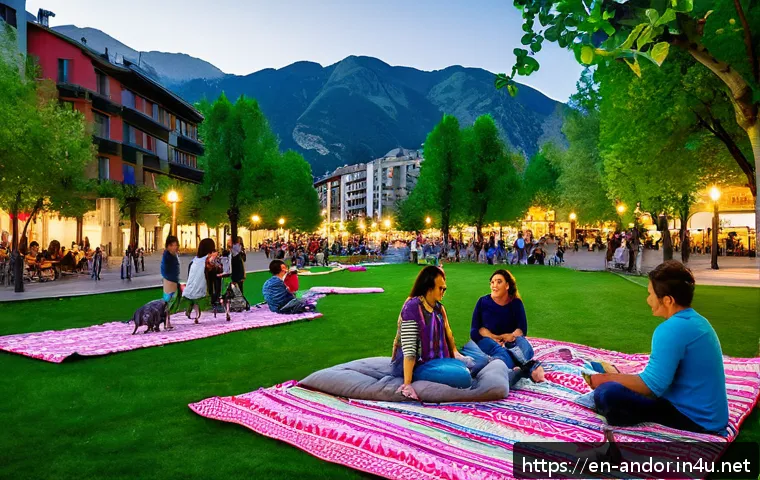
For a short stay, choose accommodation based on your main activity. Resort access can reduce winter travel friction, while a town location may suit visitors who value shops, restaurants, and general sightseeing convenience.
Three-day planning rule: prepare for temperature swings and changing conditions
For any multi-day trip, plan clothing and transport around changing conditions rather than one ideal forecast. Bring layers, waterproof footwear, and sun protection. In winter, review mountain-road requirements before collecting a rental vehicle. In warmer months, allow room in the itinerary for rain or thunderstorms in mountain terrain.
Andorra Weather by Season: Skiing, Hiking, and Sightseeing Compared
Winter: snow sports, festive travel, and winter-driving considerations
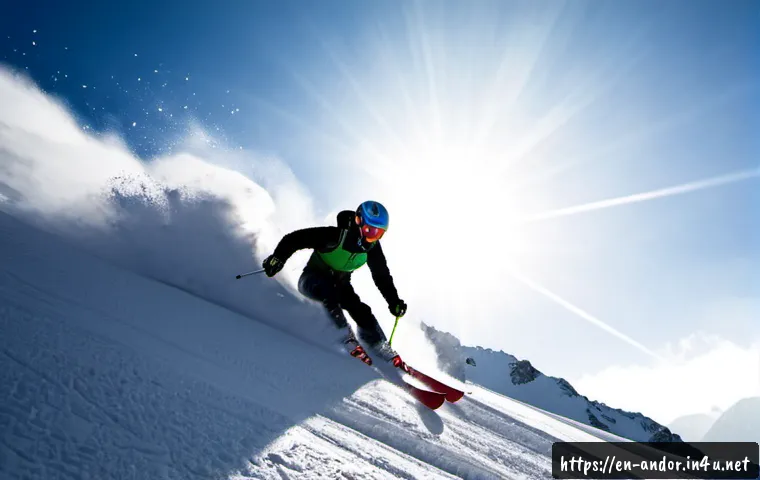
Winter is the clearest fit for skiers, snowboarders, and families who want snow as part of the holiday. Snow conditions and ski availability vary from year to year, so check current snow reports, lift operations, and resort information close to travel dates. Do not book solely on the assumption that every slope or service will operate exactly as expected.
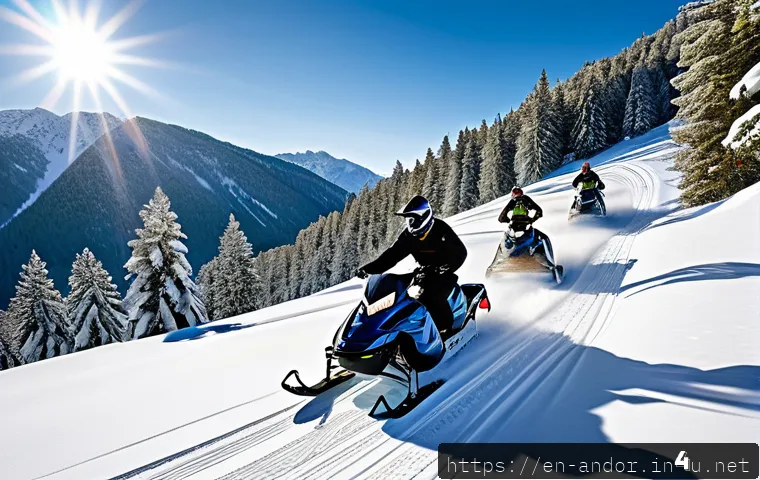
Slope-side accommodation can be worthwhile if your trip is built around early starts, lessons, equipment rental, or children’s snow activities. It may reduce daily transfers and make changing weather easier to manage. Travelers driving from France or Spain should also check whether winter tires, snow chains, parking arrangements, or route restrictions apply.
Spring: changing snow conditions, quieter stays, and mixed-weather planning
Spring can suit travelers who want a less rigid mountain break, but it requires realistic expectations. Snow quality, ski access, and the feel of the day can change with altitude and weather. A flexible hotel rate can be more valuable than a tightly fixed plan if skiing is still the main purpose.
For sightseeing-oriented visitors, spring can work well when they are prepared for mixed conditions. Pack layers rather than assuming mild lowland weather will continue into the mountains.
Summer: hiking, cycling, family activities, and cooler evenings
Summer is a strong choice for hiking, cycling, scenic drives, and family travel. Days can be pleasant for outdoor plans, but higher elevations may feel cool in the evening. Rainfall and thunderstorms can occur during warmer months, especially in mountain terrain, so a waterproof layer belongs in every day pack.
For longer hikes or unfamiliar routes, a guided outdoor tour can be useful for travelers who prefer local route support and weather-aware planning. Check the meeting point, elevation profile, what equipment is included, and the provider’s weather policy before reserving.
Autumn: scenic trails, variable conditions, and lower-season availability
Autumn can appeal to visitors seeking scenic walks, a relaxed road trip, or a quieter hotel stay. However, conditions may become cooler and less predictable as the season progresses. Keep plans adaptable, especially for higher trails and mountain roads.
This is often a practical season for travelers who care more about atmosphere and flexibility than a single headline activity. Confirm attraction, trail, and accommodation availability before committing to a fixed itinerary.
Season comparison table: weather, activities, crowds, booking value, and packing priorities
| Travel Goal | Most Suitable Season | Key Planning Priority | Useful Service to Compare |
|---|---|---|---|
| Ski holiday | Winter | Snow quality, lift status, access to slopes | Ski-pass packages, lessons, equipment rental, mountain hotels |
| Family snow trip | Winter | Simple daily logistics and cold-weather packing | Family rooms, transfers, beginner lessons |
| Hiking or cycling | Summer | Changing mountain weather and trail readiness | Guided tours, flexible hotel stays, transport options |
| Quiet scenic break | Spring or autumn | Flexible plans and availability checks | Flexible cancellation and accommodation comparisons |
Booking Value: When Higher Travel Costs Can Make Sense
When slope-side accommodation is worth the premium
A higher-priced mountain hotel can make sense when skiing is the main reason for the trip. Staying near resort access may save time on daily travel, simplify equipment handling, and reduce pressure when weather affects roads. For a sightseeing-first visit, a more central town base may offer better overall convenience.
Ski pass, equipment rental, lessons, and package comparison points
Compare ski packages by what they include, not only the headline price. Look at lift access, equipment rental terms, lesson scheduling, hotel location, and whether the booking can be changed if conditions affect your plans. A package is most useful when it reduces several separate decisions, not simply because it bundles them.
Car rental, winter equipment, transfers, and parking considerations
A rental car can give flexibility for valley-to-valley travel, but winter driving requires confidence and preparation. Before booking, verify the vehicle’s winter equipment, collection location, road requirements, parking options, and insurance terms. A transfer may be the simpler choice for travelers focused on one resort area or those uncomfortable driving in snow.
Flexible cancellation and travel insurance for weather-sensitive itineraries
Flexible bookings can be especially useful for trips built around skiing, mountain roads, or outdoor tours. Travel insurance may also be worth comparing for trip disruption, winter activities, and rental-car coverage, but coverage varies. Read the policy wording carefully and confirm whether your intended activities are included.
Weather-Related Planning Mistakes to Avoid
Treating Andorra like a low-altitude Spanish or French city
Nearby lowland weather does not tell the full story. Andorra’s elevation can mean colder conditions, faster changes, and different packing needs.
Relying on one forecast for the entire country
Check conditions for the specific valley, resort area, trail, or route you intend to use. A country-level forecast is only a starting point.
Underpacking layers, waterproof footwear, and sun protection
Mountain travel often means a change between morning, afternoon, and evening conditions. Layers are more useful than one heavy or one light outfit. Waterproof footwear helps in snow, wet ground, and sudden rain, while sun protection remains important at altitude.
Ignoring snow-chain, winter-tire, and mountain-road requirements
Do not assume every rental vehicle is equally prepared for winter mountain travel. Verify current road guidance, vehicle equipment, and your confidence level before choosing self-drive transport.
Best Time to Visit Based on Your Travel Style
For first-time skiers and snow-focused family trips
Winter is the logical choice. Prioritize easy resort access, equipment rental convenience, lessons, and accommodation that reduces daily travel. Check current snow and lift information before finalizing plans.
For experienced skiers seeking reliable mountain conditions
Winter remains the relevant season, but reliable conditions cannot be guaranteed for a specific date. Review current resort updates, snow quality information, and operating status close to departure.
For hikers, cyclists, and outdoor-focused travelers
Summer generally offers the most suitable setting for these activities. Plan for cool higher-elevation evenings and possible storms, and consider guided activities if route conditions or navigation are a concern.
For travelers prioritizing quieter stays and flexible budgets
Spring and autumn may be attractive for a lower-pressure stay, provided you are comfortable with variable weather and confirm what is open. Flexible accommodation terms can add practical value.
For short weekend trips from Spain or France
Choose the season around one main purpose. In winter, simplify the trip with resort-focused lodging or transfers. In summer, select a manageable hike, scenic drive, or town-based itinerary rather than trying to cover multiple mountain areas in a short window.
Choosing the Right Andorra Trip Setup
Hotel location: resort access versus town convenience
Book near the slopes when snow sports are the priority and daily transport is a concern. Choose a town base if restaurants, shopping, and broader sightseeing matter more. Review the actual location, parking details, and transport links before reserving.
Self-drive versus transfer: a weather and confidence checklist
Choose self-drive if you want route flexibility and are prepared for mountain conditions. Choose a transfer if you prefer to avoid winter-road decisions or plan to remain in one area. In either case, check current travel conditions close to departure.
Package booking versus separate reservations
A ski holiday package can simplify lift access, rental equipment, lessons, and accommodation. Separate reservations may suit travelers who want more control over hotel type, transport, and activity timing. Compare inclusions, change terms, and practical convenience.
Final comparison: best season and services for each trip priority
For winter skiing, compare mountain hotels, ski passes, equipment rental, lessons, and winter transport. For summer outdoor travel, compare guided tours, flexible accommodation, and vehicle options suited to your route. For shoulder-season trips, prioritize flexible booking terms and current availability checks.
Selection Criteria and Comparison Summary
Before booking, check these points: your main activity, the altitude and location of your hotel, expected road conditions, the flexibility of cancellation terms, and whether insurance or activity providers cover your planned trip. For ski travel, compare the full package of lodging, lift access, equipment, and lessons. For driving, review winter equipment and parking details. Check official guidance and full booking conditions on the relevant provider page before you pay.
Final Thoughts
Andorra can work well in every season, but each season rewards a different style of planning. Winter favors snow-focused logistics and close monitoring of conditions. Summer favors active outdoor travel with sensible weather backups. Spring and autumn can offer a calmer pace if you remain flexible about mountain weather and local availability.
Useful Extra Information
Pack for altitude: Conditions at higher elevations may feel very different from lower valleys.
Check close to departure: Snow, roads, lifts, trails, and weather can change.
Keep one backup plan: This is particularly helpful for hiking days, scenic drives, and ski itineraries.
Important Notes
Exact temperatures, snowfall, road conditions, lift operations, hotel prices, ski-pass rates, rental-car rules, insurance coverage, and availability cannot be assumed for a particular date. Confirm current information directly with accommodation providers, transport companies, resorts, tour operators, and official travel guidance before booking or traveling.
Frequently Asked Questions
Q1. What is the best month to visit Andorra for skiing?
A1. Winter is the best season for skiing, but the best specific month depends on current snow conditions, lift operations, and your preferred resort area. Check these details close to your travel date.
Q2. Is Andorra warm enough in summer for hiking and family travel?
A2. Summer days can be pleasant for hiking, cycling, sightseeing, and family activities. Evenings may be cool at higher elevations, and rain or thunderstorms can occur, so bring layers and waterproof gear.
Q3. Do I need a rental car with winter equipment when visiting Andorra?
A3. It depends on your route, the weather, and your confidence driving in snow. If you plan to self-drive in winter, verify winter equipment, road requirements, parking, and insurance terms before booking. A transfer may be easier for a resort-focused trip.